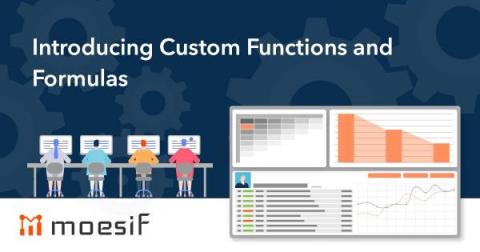
At Moesif we are always looking for ways for our users to derive even more valuable insights from their data. We pride ourselves on the fact that there is something for everyone on the platform, whether it’s engineering, marketing, customer success, or even sales departments. Recently we added a new way to drill even further into your metrics: Custom Functions and Formulas!
Ethereum has experienced dazzling growth in recent years. The programmable blockchain now has approximately 220 million unique addresses. Linked to the increase in users is an explosion in the number of dApps. Global companies and startups across finance, sales, HR, accounting, supply chain and manufacturing are using dApps to streamline processes and onboard new customers. Multiple frameworks exist that simplify the dApp development process for web2 developers who want to participate in web3.
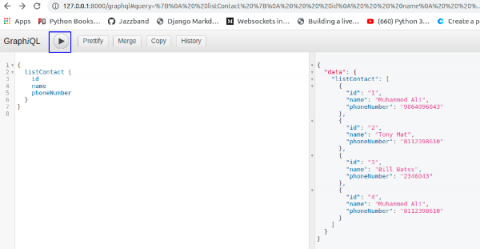
If you've ever wondered if there is a better way to build and consume APIs, you should check out GraphQL—it's better than REST in many cases. This article discusses how to work with GraphQL in Django.
With more than three decades of existence, this company in the payments sector supplies modern, dependable, and secure financial services to more than 300 million users and processes more than 7 billion transactions annually. Alongside being a major payment processor in Europe, they are a benchmark in Security and Anti-Fraud solutions and services in Business Process Outsourcing.
Internet users increasingly expect their digital experiences to be realtime. To meet this growing expectation, augmenting digital products with realtime features is becoming a priority for many businesses. This is the first post in a multi-part series that looks at what it takes to build and deliver realtime experiences for end-users. This post covers the core capabilities you need to engineer realtime functionality.
From cost-effectiveness to what adds business value — what Autodesk considers critical when deciding whether to buy versus build data pipelines.
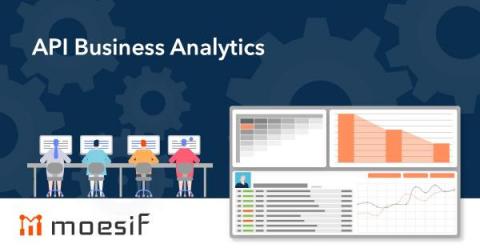
Business analytics is the practice of using data and statistical analysis to help businesses make better decisions. This can involve analyzing data to identify trends, patterns, and relationships, and using that information to help businesses make better decisions about their operations, marketing, and strategy.