

Systems | Development | Analytics | API | Testing

WebSockets vs HTTP for AI applications: which to choose in 2026

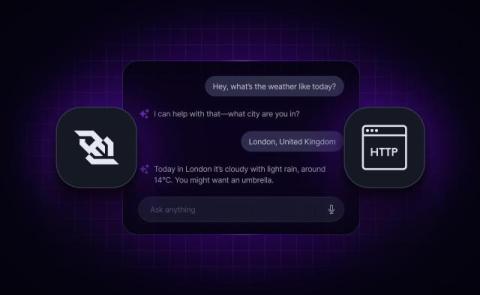
When building AI experiences, choosing between WebSockets and HTTP isn't always straightforward. Which protocol is better for streaming LLM responses? How do you maintain continuity when users switch devices mid-conversation? Should you use both? The answer depends on the type of AI experience you're building. Modern AI applications often require both protocols, each serving different purposes. The key question is: how do you decide which communication pattern fits each scenario in your AI stack?
Edit and delete messages without rewriting your history layer

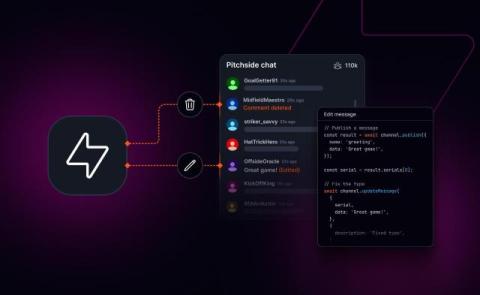
Editing or removing a message after it’s been published sounds simple. In realtime systems, it usually isn’t. Once a message has been delivered to multiple clients, cached locally, and written into history, changing it safely becomes a coordination problem. Clients need to agree on what’s current. History needs to stay consistent. Reconnects and refreshes can’t bring back stale content. That’s why many systems treat messages as immutable by default.

Appends for AI apps: Stream into a single message with Ably AI Transport

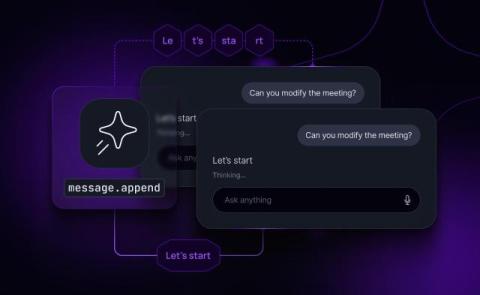
Streaming tokens is easy. Resuming cleanly is not. A user refreshes mid-response, another client joins late, a mobile connection drops for 10 seconds, and suddenly your “one answer” is 600 tiny messages that your UI has to stitch back together. Message history turns into fragments. You start building a side store just to reconstruct “the response so far”. This is not a model problem. It’s a delivery problem That’s why we developed message appends for Ably AI Transport.