Systems | Development | Analytics | API | Testing

Sponsored Post

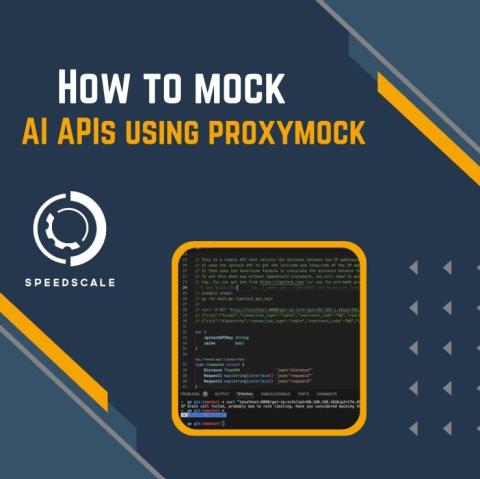
How to Mock OpenAI's APIs with Speedscale's ProxyMock

Developing APIs can often be a complex web of dependencies, external dependencies, and murky network traffic. In order to build better, developers need a certain amount of stability to test a query or feature against, and when this stability is lacking, development can get more complicated and difficult. Enter API mocking. API mocking is an approach to generating a mock service that provides dependable data for a variety of testing purposes. This data can then be used as a test case for actual API calls, allowing for more complete and accurate development.

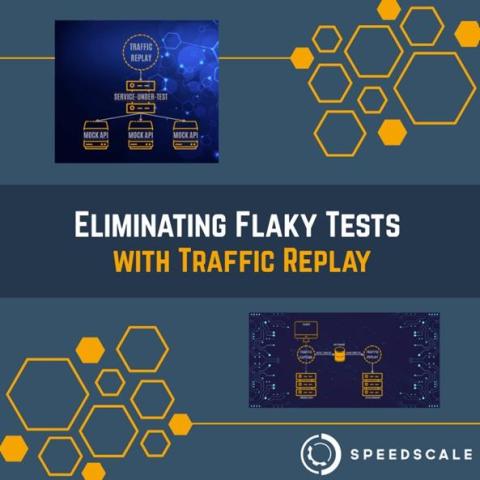
Eliminating Flaky Tests with Traffic Replay

There are few things that can derail developer productivity and undermine your pipeline like a flaky test. Testing is the backbone of a good development process, ensuring that your code is as accurate and usable as possible. When these tests point towards faulty development, the impacts can be significant. This information is predicated on an assumption, however – the assumption that what the test says is accurate.

REST v. GraphQL v. gRPC #speedscale #developers #softwaredevelopment #shorts #softwaretesting #api

When it comes to building APIs and enabling communication between different software components, three prominent architectural styles and frameworks often come up: REST, GraphQL, and gRPC. Each has its own approach, strengths, and weaknesses, making them suitable for different use cases.