Systems | Development | Analytics | API | Testing

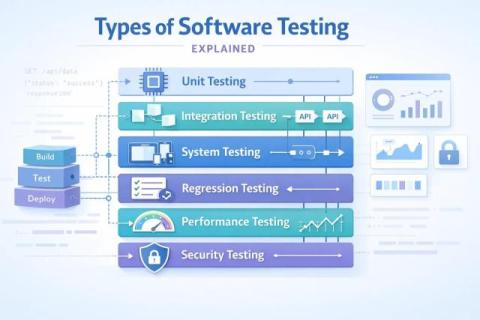
Types Of Software Testing: A Comprehensive Guide (2026)

The types of software testing define how modern systems maintain stability, performance, and security in fast release cycles. In 2026, software is API-driven and continuously deployed, so testing is no longer a final step – it is embedded across the development lifecycle. Each testing type addresses specific risks and helps teams build a strong foundation of software testing instead of relying on random test cases. Let’s explore how these testing types work in practice.
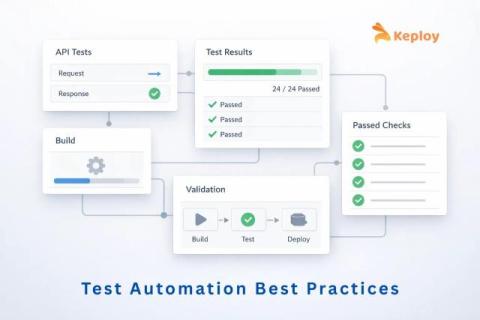
Top Test Automation Best Practices Every Team Should Follow

Test automation has become an essential part of modern software development. In 2026, shipping fast without reliable test automation is almost impossible. Done right, it ensures consistent quality, faster feedback, and fewer production incidents. This guide covers practical test automation best practices used by real engineering teams to deliver measurable results.

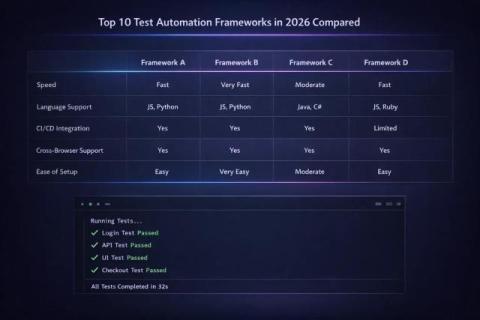
Top 10 Test Automation Frameworks In 2026 Compared

Test automation frameworks are shaping how modern teams ship software in 2026. Automation alone is not enough anymore. The structure behind automation decides whether your tests scale or collapse under maintenance pressure. I’ve seen teams struggle when they invest in automation but lack a structured system. Let’s explore how test automation frameworks can make automation reliable and scalable.

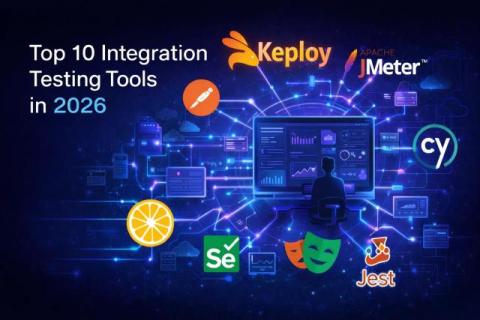
Top 10 Tools For Integration Testing In 2026

Modern applications depend on multiple services, APIs, databases, and third-party systems working together. While unit tests validate individual components, most production issues occur at integration points. That’s why integration testing tools are essential for ensuring system reliability. In this guide, we cover the top 10 integration testing tools for 2026, a quick comparison to help you choose the right one, and how these tools fit into modern CI/CD and DevOps workflows.

Building Reliable AI Writing Tools: Lessons From Developing Textero

Creating AI writing tools is messier than you’d think. You start with this grand vision of an assistant that actually helps people write better, not just spits out generic text. Then reality hits. Models hallucinate. Users have wildly different needs. And suddenly you’re facing questions about responsibility, accuracy, and whether you’re building something genuinely useful or just another gimmick.

State Transition Testing: Diagrams, Tables & Examples

Ever seen a workflow pass QA, then fail the moment users retry, refresh, or hit a timeout? That gap usually isn’t about a “wrong input.” It’s often because the system is in a different state when the same input arrives. In state transition in software testing, the state decides what’s allowed, what must be blocked, and what should happen next. It is one of the simplest ways to make these workflows behave predictably in the real world.

Security Testing Explained: Protecting Modern Applications And Apis

Security testing helps identify weaknesses in software before attackers can exploit them. It protects sensitive data, ensures system stability, and controls user access. With web, mobile, and API-based applications growing rapidly, security threats are increasing. Security testing helps teams detect risks early, prevent breaches, and meet compliance standards.

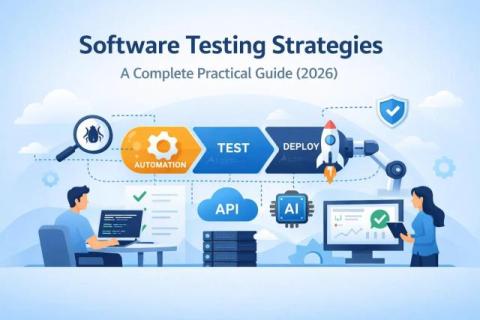
Software Testing Strategies: A Complete Practical Guide (2026)

Software testing strategies define how I plan, structure, and execute quality checks across the entire software development lifecycle to maintain reliable software outcomes. With teams shipping faster through Agile, DevOps, APIs, and CI/CD pipelines, relying only on ad-hoc or manual workflows no longer works. I’ve seen structured strategies supported by the right tools become essential for controlling risk while still moving fast. Let’s explore how this works in real software teams.

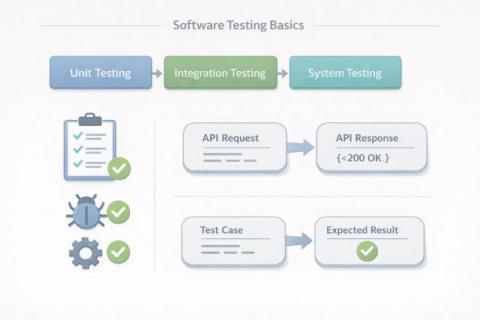
Software Testing Basics Simplified: A Guide For Beginners (2026)

Release day gets tense when a test suite can’t answer one simple question: are we safe to ship? In the conversations I have with engineering and QA teams, the same pattern shows up again and again – confusion in the basics creates chaos later. That’s why software testing basics matter: they turn testing from “random checks” into something teams can trust. Once the fundamentals click, choosing test types, tools, and automation becomes a lot easier.