Systems | Development | Analytics | API | Testing

The Future of Automation Starts with AI-Driven Automated Script Generation

Automation has always been at the heart of efficient testing. It speeds up validation, eliminates repetitive steps, and helps teams catch issues earlier. However, even with great automation frameworks in place, one challenge persists: how to quickly and accurately convert manual tests into automated scripts? For most teams, this process still requires time, technical skill, and lots of rewriting.


How AI is Reshaping Test Management in Jira

If you’ve worked in QA long enough, you’ve seen how much testing has changed inside Jira. What started as a mix of spreadsheets, manual checklists, and endless review cycles has grown into fully integrated Test Management workflows. But even with automation, some challenges never went away. Writing test cases from requirements still takes time.

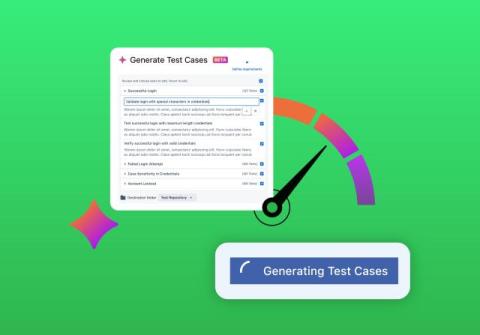
Xray's AI Test Case Generation

A quick overview of Xray Test Management - cutting-edge test management app for Jira. Xray is the leading Quality Assurance and Test Management app for Jira. More than 4.5 million testers, developers and QA managers trust Xray to manage 100+ million test cases each month. Xray is a mission-critical tool at over 5,000 companies in 70 countries, including 137 of the Global 500 like BMW, Samsung and Airbus.

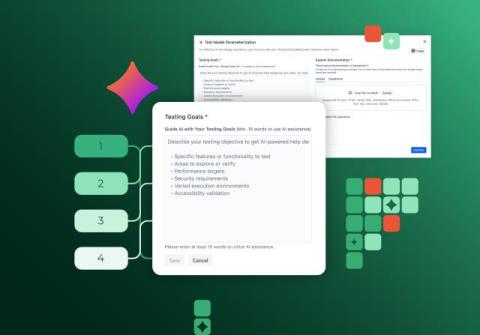
Smarter Test Coverage with AI Test Model Generation in Xray Enterprise

Quality assurance has always been about balance, ensuring every scenario is covered without drowning teams in complexity. Yet, as systems grow and requirements multiply, keeping up with coverage demands has become one of the hardest parts of modern QA. That’s where AI-powered test model generation steps in, not to take over, but to amplify how testers design, visualize, and expand coverage.

Accelerating QA With Xray's AI Test Case Generation

Software teams are shipping faster than ever — but testing still moves at human speed. Agile and DevOps have redefined delivery cycles, yet QA teams are often left struggling to keep up. Between evolving requirements, multiple environments, and constant regression demands, testers are expected to do more with less. One of the biggest bottlenecks? Test case design. Creating test cases manually is slow, repetitive, and prone to oversight.