Systems | Development | Analytics | API | Testing

Monitoring, Audit Trails, and Compliance with ClearML

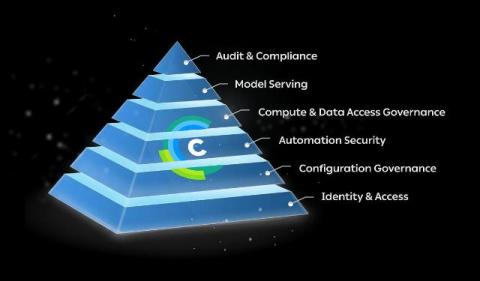
The previous posts in this series built the security model layer by layer: identity, configuration governance, service account automation, compute policies, and production model serving. This final post covers what holds all of it together: the monitoring and audit layer that records every action, every API call, and every resource event and makes the full picture visible to the people responsible for it. It accompanies our Enterprise AI Infrastructure Security YouTube series.

How ClearML Fits Into a Zero-Trust Kubernetes Architecture

Zero trust is an architectural principle, not a product. It means assuming breach, verifying every connection explicitly, and granting the minimum access required for each interaction. This post covers how those principles apply to Kubernetes AI infrastructure and specifically how ClearML’s security model slots into each layer: network segmentation, workload identity, access controls, and audit logging. Kubernetes AI infrastructure and where ClearML fits into the model.

Resource Governance and GPU Quota Enforcement Across AI Teams

Resource governance is primarily an operational discipline, but it has direct security implications that are usually overlooked. This post covers what those implications are, what Kubernetes provides natively, where it falls short for AI workloads, and how ClearML addresses both dimensions. This is the third post in our four-part series on Kubernetes Security for Enterprise AI Environments.

Secrets, Credentials, and the Kubernetes Attack Surface in AI Environments

Every AI workload needs credentials: cloud storage keys, model registry tokens, database passwords, and API keys for external services. How those credentials are managed in Kubernetes determines whether they stay secret or become the entry point for a serious breach. ClearML Vaults addresses this directly by separating credential ownership from credential use at the platform level. This is the second post in our four-part series on Kubernetes Security for Enterprise AI Environments.

Why RBAC Isn't Enough: Real Tenant Isolation in Kubernetes AI Environments

Role-based access control is essential, but it’s not isolation. When multiple AI teams share a Kubernetes cluster, RBAC controls what they can do; it doesn’t control what they can reach, what they can see, or what happens when something goes wrong in a neighboring workload. This is the first post in our four-part series on Kubernetes Security for Enterprise AI Environments.

Enterprise AI Infrastructure Security Series - 7) Monitoring & Auditing

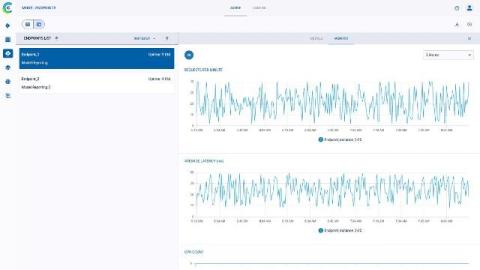
In this final video of our enterprise AI security series, we cover ClearML's monitoring and audit trail capabilities — the visibility layer that ties everything together. We walk through the platform's operational dashboards, task-level audit surfaces, cost attribution, and external integration points, showing how ClearML delivers live operations and compliance-ready audit out of the box.