Systems | Development | Analytics | API | Testing

Empowering Digital Teams to Own Data Integration: The End of the IT Bottleneck

In today’s enterprise environment, digital transformation no longer lives solely in the domain of IT. Digital architects, digital technology teams, and cross-functional product leaders now carry critical responsibilities for building digital experiences, embedding AI, and delivering innovation on tight deadlines. Yet far too often, these teams are held hostage by a legacy dynamic: IT owns the data.
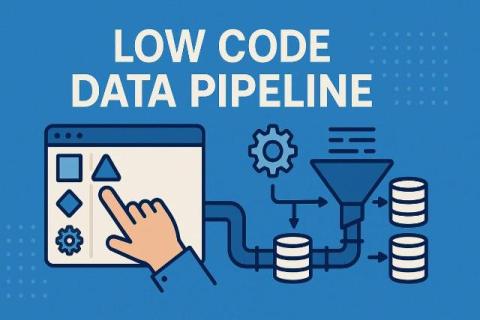
Low-Code Data Pipelines for Agility and Scale

As businesses race to become data-driven, the ability to quickly build and iterate on data workflows is more critical than ever. Traditional ETL and ELT processes, while powerful, often require extensive coding, long development cycles, and high maintenance overhead. Enter low-code data pipelines: a modern, visual-first paradigm enabling faster development, broader accessibility, and better scalability.

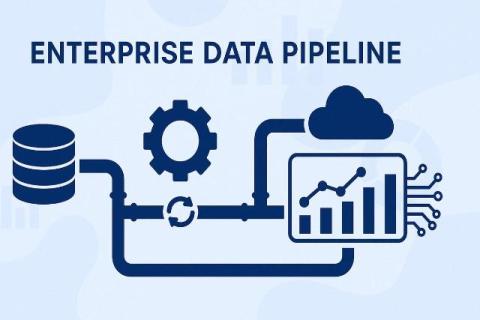
Enterprise Data Pipelines for Modern Data Infrastructure

Enterprise data pipelines are no longer mere support systems—they are strategic assets central to analytics, compliance, and operational intelligence. This article offers a comprehensive overview of how enterprise ETL pipelines work, the technologies involved, common challenges, and best practices for implementation at scale in 2025.

Vibe Data Engineering? We've Been Delivering That Since 2012

A few years ago, if you asked someone to define “vibe data engineering,” you’d probably get a puzzled look. Today, it's a phrase that's beginning to surface in conversations across enterprise teams, especially among those who need data to work for them, not the other way around. It doesn’t mean writing the cleanest DAGs or orchestrating distributed clusters. It means making data work fluidly, simply, and on your terms. It means doing more with less, and doing it without code.

What is Late-Arrival Percentage for ETL Data Pipelines and why it matters?

In data pipelines, timing is everything. When data doesn't arrive when expected, it can create ripples throughout your entire analytics ecosystem. Late-arriving data refers to information that reaches your data warehouse after the expected processing window has closed. The Late-Arrival Percentage for ETL pipelines measures the proportion of data that arrives behind schedule, directly impacting the reliability and usefulness of your business intelligence systems.

What is Data Completeness Index for ETL Data Pipelines and why it matters?

Data completeness in ETL pipelines refers to whether all expected data has been successfully processed without missing values or records. The Data Completeness Index (DCI) is a metric that quantifies the percentage of complete data fields in your ETL processes, helping organizations identify gaps that could lead to faulty analytics or business decisions. When your data completeness testing in ETL processes reveals a high DCI score, it indicates reliable data that stakeholders can confidently use.

ChatGPT Made AI a Tool for Everyone - Now Data Infrastructure Needs to Catch Up

When ChatGPT entered the mainstream, it didn’t just change how people use artificial intelligence — it changed who gets to use it. By abstracting away the complexity and making the interface simple and intuitive, OpenAI opened the floodgates. Now, instead of AI being the exclusive domain of engineers and data scientists, it’s being actively explored by product managers, marketers, revenue operations leaders, and customer experience teams.

ETL Testing Tools for Modern Data Quality Assurance

In a modern data stack, reliability isn't optional, it's a requirement. Data teams are tasked with building pipelines that extract from dozens (sometimes hundreds) of disparate sources, transform data under strict business logic, and load it into analytics-ready destinations. But even the most well-architected ETL workflows can fail silently without rigorous testing.

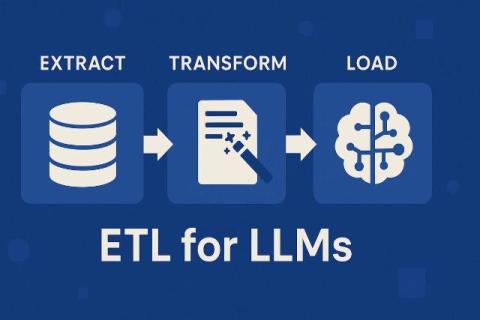
ETL for LLMs to Build Context-Rich Pipelines for Generative AI

Large Language Models (LLMs) like GPT-4, Claude, and LLaMA have reshaped the way businesses think about intelligence, automation, and human-computer interaction. But the performance of an LLM hinges entirely on what powers it: data. And that data must be systematically collected, cleaned, enriched, and delivered—a task owned by the ETL (Extract, Transform, Load) pipeline.