Systems | Development | Analytics | API | Testing

The Developer's Guide to Debugging AI-Generated Code

AI coding tools like ChatGPT, GitHub Copilot, and Claude have completely changed how we write software. From humble beginnings where non-AI-enabled code assistants made intelligent code suggestions, like Intellisense, the latest agentic tools can generate entire functions, suggest optimal algorithms, and even scaffold complete applications in minutes. However, as any developer who’s worked with AI-generated code knows, the output isn’t always perfect.
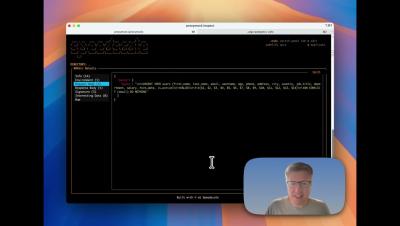
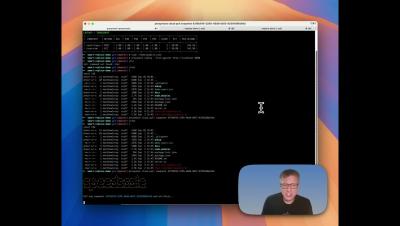
Need to do Integration Testing without a real Postgres SQL Database? #speedscale #postgres #sql

Struggling with integration testing because you need a real Postgres SQL database running? This video walks you through how to use Speedscale's proxymock to easily record and mock a live Postgres connection. You'll see how to: By the end, you'll be able to create realistic database mocks for your testing and development, saving you time and hassle.

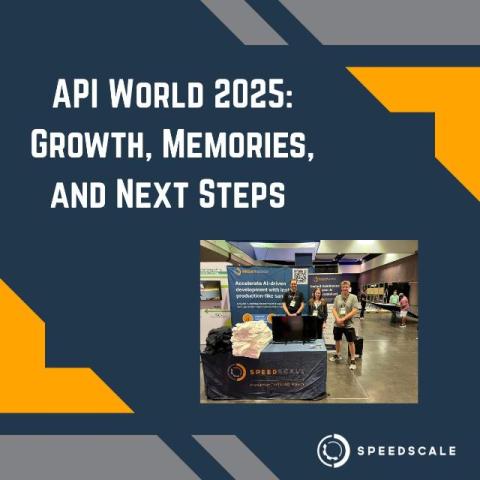
API World 2025: Growth, Memories, and Next Steps

A couple of weeks ago, our team returned from API World. We’ve officially had a few weeks to decompress and get back into the swing of things after an incredible time at API World 2025. Looking back, the experience was even more rewarding than I had imagined in my Pre-API World blog. This year was especially memorable for me, as I had the opportunity to attend my first tech conference and travel across the country for work. I’m still buzzing from everything I learned and the people I met.

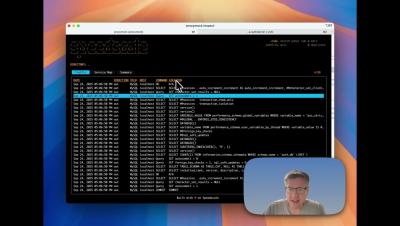
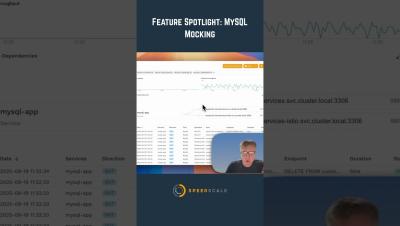
Learn to mock your MySQL database and get realistic test data without the hassle of a live server!

Proxymock allows you to record real interactions between your application and a MySQL database. Use proxymock to simulate your database during local development and testing. Get real data without running a live MySQL server. Modify mock responses to fit your testing needs. Simplify your testing workflow and replicate production data easily.

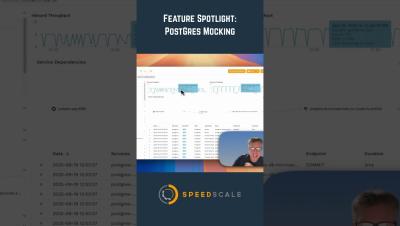
Feature Spotlight: PostGres Mocking #speedscale #postgres #postgresql

Struggling with integration testing because of a Postgres database dependency? Testing can feel impossible when you need to replicate realistic data in Postgres. That’s where Speedscale’s Postgres Mocking Tool comes in. Speedscale drops a recorder into your live system, observes all Postgres traffic, and shows you the actual sequence of statements and responses—making it easier than ever to test reliably.

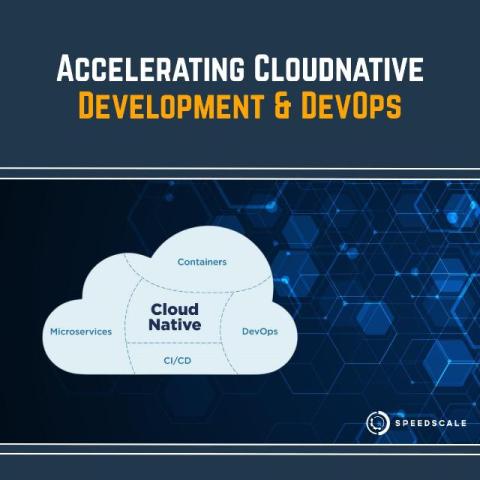
Accelerating Cloudnative Development & DevOps

Cloud-native development, and the resultant rise of DevOps, has transformed how software is built, deployed, and maintained. By embracing containerization, microservices, and continuous delivery, organizations have been able to deliver features faster, scale with demand, and recover from failures more gracefully than ever before. Many organizations are adopting these practices to keep up with industry demands and improve efficiency and security.
Sponsored Post

Top 14 Postman Alternatives

Postman has long been a go-to tool for API developers and QA engineers in providing a streamlined environment for testing and documenting APIs. Its user-friendly interface and robust features made it an industry standard. However, Postman isn't suitable for everyone. Its complexity has increased over the years, leading to a UI that can be overwhelming, and a steep learning curve - especially for beginners.

Troubleshooting Microservices with AI

Ever found yourself saying, "But it works on my machine!" when a bug pops up in a microservices environment? It's a common and frustrating problem. Unlike a monolithic application, microservices are a collection of independently deployed services that communicate with each other. This complexity makes it difficult to reproduce real-world issues on your local machine, as you may not have all the necessary services and dependencies running. But what if you could take a snapshot of a running application's behavior and bring it home for debugging?

Looking Back, Looking Ahead: Thoughts on My First Year at Speedscale

When I started at Speedscale, I looked like this: And after one year of learning, growing, and keeping pace with innovation well, let’s just say the journey has left its mark: Of course, I’m joking (sort of). The truth is, this past year has been intense, energizing, and filled with new challenges. If anything, it’s made me feel younger in spirit, even if the mirror might disagree some mornings.

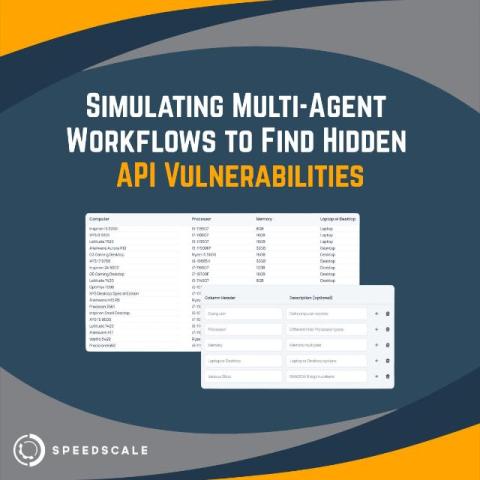
Simulating Multi-Agent Workflows to Find Hidden API Vulnerabilities

API gateways are often viewed as the centralized entry point for client HTTP requests in a distributed system. They act as intermediaries between clients and backend services, managing API request routing, load balancing, rate limiting, access control, and traffic shaping across multiple backend services. This API management is vital for many services and products, but many organizations can put too much stock in it.

Configuring Data Loss Prevention

Redacting PII (DLP): Speedscale can be configured to redact personally identifiable (PII) or other sensitive information (PII) from traffic via it's data loss prevention (DLP) features. This redaction happens before data leaves your network, preventing the Speedscale service from seeing the data at all. However, the overall shape or structure of the data is retained in order to facilitate useful testing against systems.

Finding the Ghost in the Machine

The industry is rapidly moving towards deeper AI integration than ever before. What was once simply focused on chatbots or recommendation engines has pivoted significantly to AI systems communicating with other AI systems. These AI tools are leveraging multi-agent workflows to accomplish complex tasks that traditional systems have struggled with. Innovation without validation is a liability. Any developer worth their salt will know that these systems require ample testability and validation.

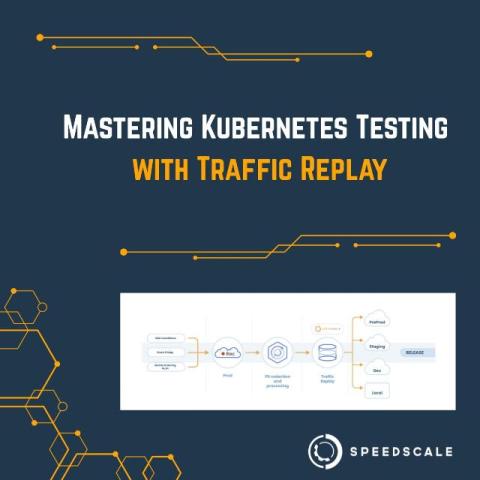
Mastering Kubernetes Testing with Traffic Replay

Kubernetes has become the backbone of many modern application deployment pipelines, and for good reason as a container orchestration platform, Kubernetes automates the scaling, deployment, and management of workloads, allowing developers to make their applications easier to manage and deploy at scale without worrying about their service’s dependencies, their user’s operating system, or the intricacies of their data center or infrastructure provider.

Considerations for Testing gRPC Streams

If you’ve spent any time building cloud-native systems, you’ve probably tripped over the tricky beast that is gRPC streaming. It’s powerful, flexible, and feels like magic when it works. But the minute you need to test it? Suddenly, you’re in “hold my coffee, I need a week” territory. One of the most common places we see gRPC streams in the wild is when clients connect to asynchronous message buses like Google Pub/Sub.