AI now sits inside most software, whether teams planned for it or not. A recent report from Stanford HAI found that AI adoption jumped from 55 percent in 2023 to 78 percent in 2024.
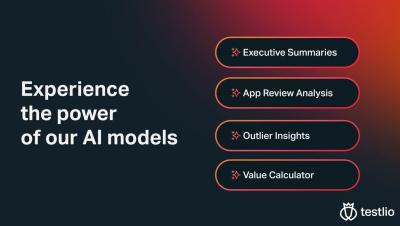
Designed to drive faster decisions, clearer priorities, and higher release confidence, LeoInsights delivers on-demand AI-powered recommendations to give you a clear picture of what’s working and what isn’t… in seconds.
Agentic AI is now moving into quality assurance (QA), and its impact is undeniable. What used to be a human-only responsibility is now becoming a shared system of humans and intelligent agents that observe, reason, and act across the stack.
When product teams decide to launch globally, crowdsourced testing is one of the most talked-about approaches. But for many engineering leaders, QA managers, and product owners, the big question is where and how it fits.
Most product teams today are very good at one thing: testing what happens when a user types a prompt. Hemraj Bedassee , Delivery Excellence Practitioner,
For a long time, we spoke about “AI agents” like they were a future concept, something that might eventually book flights, run workflows, or make payments on our behalf.
Over the past few years, model providers have invested heavily in “guardrails”: safety layers around large language models that detect risky content, block some harmful queries, and make systems harder to jailbreak.