

Systems | Development | Analytics | API | Testing

The Best Node.js Observability Tools in 2025: N|Solid vs New Relic, Datadog, and More

Monitoring Node.js applications effectively is no longer optional—it’s essential for ensuring performance, reliability, and a smooth user experience. With a range of observability and APM tools available, choosing the right one for your stack and team can be challenging. Whether you're tracking memory leaks, CPU spikes, or asynchronous bottlenecks, the right observability stack can save you hours of debugging and protect your user experience.
How Node.js Handles Async Operations

Node.js is designed to be asynchronous and non-blocking, making it highly efficient for handling multiple operations at once. Unlike traditional multi-threaded architectures, Node.js operates on a single-threaded event loop, meaning it executes JavaScript code in a single thread but can still handle multiple tasks concurrently. This is achieved through asynchronous I/O and event-driven programming, allowing Node.js to remain lightweight and performant even under heavy workloads.

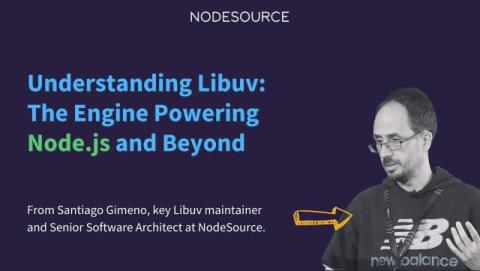
What is Libuv: The Engine Powering Node.js and Beyond

Libuv is one of the most crucial components behind Node.js, yet many developers aren't fully aware of its role in enabling asynchronous I/O operations. As a high-performance, cross-platform support library, Libuv is at the heart of event-driven programming in Node.js, but its impact extends far beyond that. Santiago Gimeno is a Libuv maintainer and Senior Software Architect at NodeSource.