Systems | Development | Analytics | API | Testing

The Friction with Today's Debugging Strategies

Debugging has always been part of the craft. But in today’s systems — distributed, asynchronous, and increasingly opaque — debugging is no longer just difficult. It’s fragmented. Despite better tooling, more telemetry, and the rise of AI-assisted workflows, many developers still experience the same core frustrations when trying to understand what’s actually happening in production.

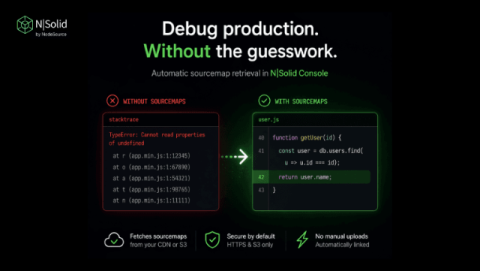
Automatic Sourcemap Retrieval in Production: Debugging Without the Friction

If you’ve ever debugged a Node.js application in production, you’ve likely seen this: Sourcemaps were supposed to solve this. And technically, they do. But in practice, most teams still struggle to make sourcemaps available when they’re actually needed.

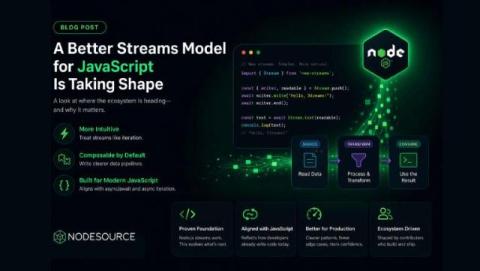
A Better Streams Model for JavaScript Is Taking Shape

If you’ve worked with Node.js in production, you already know that streams are not a niche feature. They are part of the foundation. They power how data moves through systems, how I/O is handled, and ultimately, how applications scale. For years, that foundation has held up remarkably well. At the same time, many developers—junior and senior alike—have shared a similar feeling: while streams are powerful, they don’t always feel natural to work with.

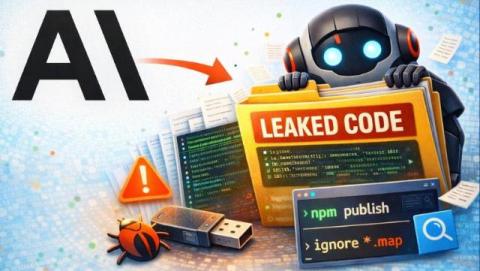
Anthropic Accidentally Leaked Claude Code's Entire Source - Here's What Was Inside

On March 31, 2026, security researcher Chaofan Shou noticed something odd: the complete source code of Claude Code — Anthropic's flagship AI coding CLI — was sitting in plain sight on the public npm registry. 512,000 lines of TypeScript. 59.8 MB of source maps. Everything. The irony? The code contains an "Undercover Mode" specifically built to prevent internal Anthropic secrets from leaking into public commits. They built a secrecy subsystem, then accidentally published everything.