Systems | Development | Analytics | API | Testing

Databricks Composable CDP for Customer Data Strategy

In the era of data-driven decision-making, Customer Data Platforms (CDPs) are pivotal. However, legacy CDPs, which are monolithic, inflexible, and siloed, are falling behind. The rise of Composable CDPs marks a strategic pivot, placing power back in the hands of data teams. At the forefront of this shift is Databricks, whose Lakehouse Platform offers a foundation to unify, govern, and activate customer data with unprecedented agility.
A Deep Dive into the Service Fusion API (Updated 2025)

In today's interconnected SaaS landscape, application programming interfaces (APIs) have emerged not just as technical enablers but as strategic assets. For field service businesses managing complex operations—from dispatch and inventory to customer engagement—the Service Fusion API offers a powerful gateway to automation, integration, and operational intelligence.

A Practical Guide on Low-Code Workflow Automation

In the fast-evolving world of data engineering and operations, agility is no longer optional—it’s a competitive necessity. Organizations are under pressure to deliver real-time insights, automate repetitive tasks, and streamline business processes faster than ever. But traditional, code-heavy development cycles can’t keep up with this pace, especially when every change request adds to your backlog and dev cycles stretch into weeks.

A Deep Dive into Database-to-Database Integration

Database-to-database integration plays a vital role in building agile, data-driven organizations. As business operations span across multiple applications, environments, and data silos, the ability to seamlessly integrate databases becomes more than just a technical necessity—it becomes a strategic imperative. This article unpacks what makes database-to-database (DB-to-DB) integration process essential in 2025, how it’s evolving, and what it takes to implement it right.

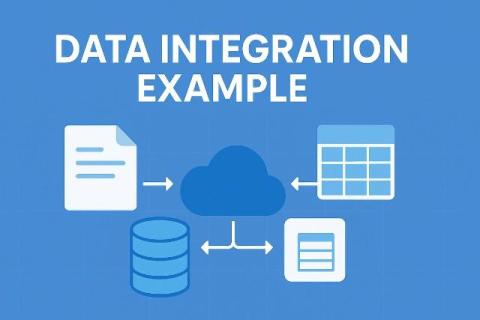
Data Integration Examples to Learn Unified Intelligence

Data integration is the backbone of modern analytics, decision-making, and automation. In a business landscape where every function—from marketing to operations to finance—relies on data integration tools, the ability to unify data across these systems is essential. This article delves into a practical data integration example, dissects integration types, unpacks common challenges and best practices, and highlights how platforms like Integrate.io provide a secure and scalable solution.

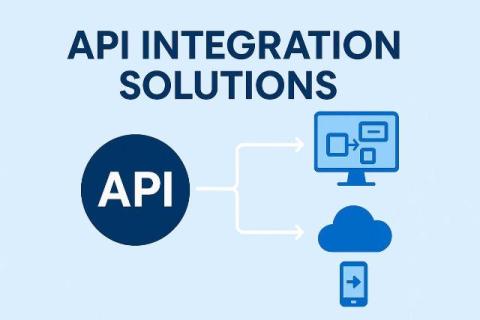
The Ultimate Guide to API Integration Solutions in 2025

API integration is the circulatory system of the digital enterprise. As organizations prioritize agility, automation, and data-driven decisions, API integration becomes the linchpin of competitive advantage. This guide unpacks the current landscape, tools, and methodologies of API integration, empowering data professionals to architect future-proof, compliant, and high-performance ecosystems.

ETL Consulting: The Backbone of Data Integration

In an era where big data is often referred to as the “new oil,” extracting value from raw information is more critical than ever. However, this process is far from straightforward. Organizations today deal with data sprawled across SaaS platforms, on-prem systems, databases, CRMs, and countless APIs. Making sense of it requires powerful and reliable Extract, Transform, Load (ETL) capabilities — and that's where ETL consulting services become indispensable.

AI ETL Tools: Revolutionizing Data Engineering

In 2025, the integration of Artificial Intelligence (AI) into Extract, Transform, Load (ETL) processes is transforming the data engineering landscape. Traditional ETL workflows are evolving from rigid, manually scripted pipelines into intelligent, adaptable systems powered by AI. These AI-driven ETL tools enable companies to handle increasing data complexity, schema drift, and real-time transformation demands without massive engineering overhead.

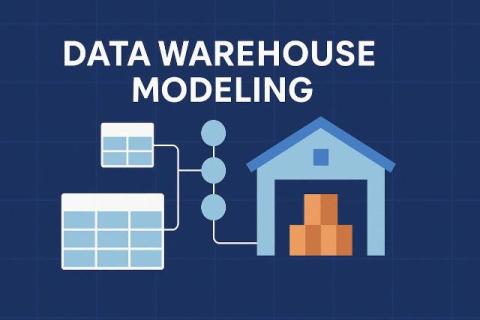
Mastering Data Warehouse Modeling for 2025

Data is the new oil—but without a well-structured refinery, even the most abundant data becomes noise. Data warehouse modeling is that refinery: the critical blueprint that ensures organizations can store, retrieve, and analyze data with precision and efficiency. As of 2025, the landscape of data warehousing continues to evolve rapidly.

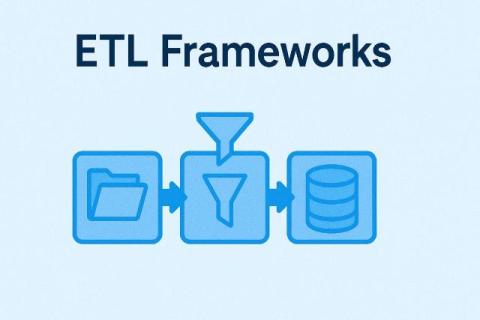
ETL Frameworks in 2025 for Robust, Future-Proof Data Pipelines

ETL (Extract, Transform, Load) frameworks have evolved significantly over the past two decades. In 2025, as data pipelines expand across cloud platforms, real-time systems, and regulatory constraints, the architecture and flexibility of ETL frameworks are more critical than ever. This post explores the key principles, features, and operational concerns that modern data professionals need to understand to build effective, scalable ETL frameworks for data engineering use cases.

Real-Time Data Processing in 2025 and Beyond

In 2025, data doesn’t just support the business — it drives it. That means real-time decision-making is no longer optional. From fraud detection and customer engagement to predictive maintenance and logistics optimization, real-time data processing is the foundation of business agility. Yet many professionals still struggle with legacy bottlenecks: batch ETL jobs, siloed data, and limited pipeline observability.

PostgreSQL CDC for Real-Time Data Replication

In the era of real-time data, Change Data Capture (CDC) in PostgreSQL has become a critical capability for organizations aiming to sync systems, trigger events, and power analytics with fresh, consistent data. This guide will take you through the core concepts, methods, tools, and best practices of how to enable CDC in PostgreSQL instance, making it easier for you to build efficient, reliable, and scalable data pipelines.

The Ultimate Guide to Data Conversion Tools in 2025

In today's data-driven landscape, organizations are inundated with vast amounts of information from diverse sources. To harness the full potential of this data, it's imperative to convert it into a consistent, usable format—a process facilitated by data conversion tools. These tools are integral to modern Extract, Transform, Load (ETL) workflows, enabling seamless data integration, transformation, and loading across various platforms.