Systems | Development | Analytics | API | Testing

Microsoft Fabric vs MuleSoft vs Dedicated ETL for Salesforce Pipelines: 2026 Architecture Decision Guide

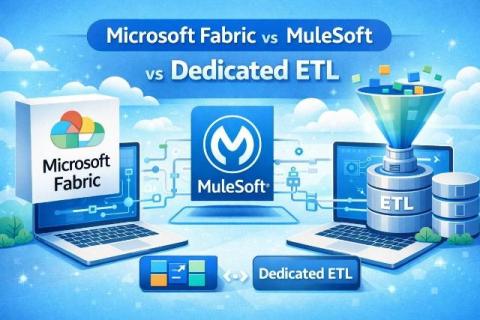
Selecting the right backbone for Salesforce pipelines is difficult because each option optimizes for different tradeoffs. This guide compares Microsoft Fabric, MuleSoft, and a dedicated ETL approach with Integrate.io from a Microsoft-first perspective. We explain when each shines, what to watch out for, and how costs and complexity scale. Throughout, we highlight where Integrate.io fits best for Salesforce-centric data movement without adding platform sprawl.
How ETL Tools Reliably Load CSV Data into Custom Salesforce Objects

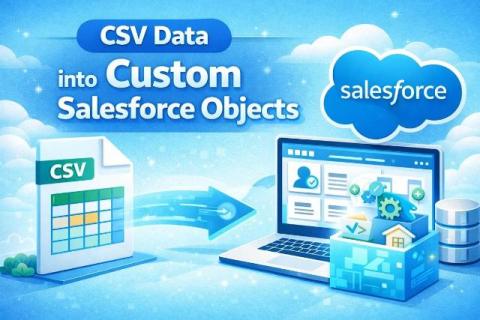
This guide explains how ETL tools reliably load CSV data into custom Salesforce objects with strong validation, structured error handling, and resilient recovery. It is written for data engineers, RevOps, and platform teams operating production integrations. Readers will learn core architectural components, a step-by-step implementation plan, and day-two operations. The guide assumes cloud-hosted ETL, API-accessible Salesforce orgs, and automated deployments.

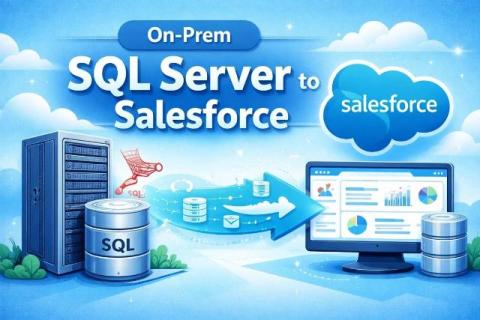
Secure On-Prem SQL Server to Salesforce ETL

Modern teams need to move sensitive data from on-prem SQL Server into Salesforce safely and predictably. This guide explains how to design, implement, and operate a secure ETL that balances performance with controls. It is written for data engineers, platform owners, and security leads who support regulated workflows. You will learn core components, common pitfalls, architecture patterns, and a phased implementation plan with code examples.

How to Perform Multi-Step Salesforce Lookups Before Upserts Using Low-Code ETL

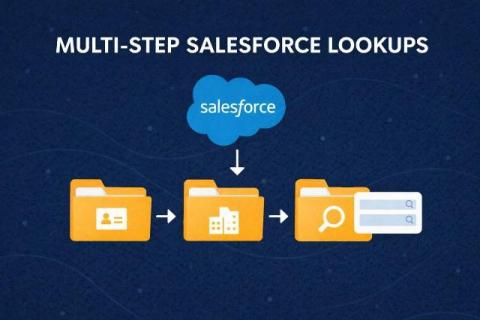
Teams often receive CSV donations without Salesforce IDs. They need to match rows to existing Contacts, Accounts, or Campaigns, then upsert Opportunities or Payments. This guide explains how to implement multi-step Salesforce lookups before upserts using a low-code ETL approach. It is written for data engineers, admins, and operations teams who own file-based integrations. You will learn core concepts, design patterns, and a production-ready sequence.

Data Validation in ETL - 2026 Guide

Data validation is the cornerstone of successful ETL (Extract, Transform, Load) processes, ensuring that information flowing through your data pipeline maintains its integrity and usefulness. When data moves between systems, it can become corrupted, incomplete, or inconsistent—problems that proper validation techniques can prevent.

How to Send Shopify Orders to Snowflake with AI-ETL

Every Monday morning, e-commerce analysts face the same frustrating ritual: export CSVs from Shopify, merge them in spreadsheets, clean the data, and pray nothing breaks before the weekly revenue meeting. This manual process wastes hours weekly per analyst while delivering insights that are already days old. Meanwhile, your competitors make real-time decisions based on live data flowing automatically into their analytics platforms.

How to Build SLAs for Real-Time Dashboards with AI-ETL

Your executive dashboard shows yesterday's data while your competitors make decisions with information that's minutes old. This gap isn't just an inconvenience—it's a competitive disadvantage costing businesses millions in missed opportunities, delayed responses, and stale insights. Service Level Agreements (SLAs) for real-time dashboards solve this problem by establishing measurable commitments for data freshness, accuracy, and availability.

Apache HBase ETL Tools: Bulk Load & Incremental Strategies

Apache HBase provides a distributed, column-oriented model with tables → rows → column families/qualifiers and versioned cells. The design is ideal for sparse, wide datasets. ETL is central because performance hinges on how data moves through the default write path—WAL → MemStore → HFiles—versus bulk-load paths that write HFiles directly.