Systems | Development | Analytics | API | Testing

How to get the full potential of Xray with Xray Academy

Software teams today face increasing pressure to deliver high-quality applications at speed. Continuous testing, test automation, and traceability are no longer optional — they’re must-haves for scaling development. Tools like Xray provide the structure and visibility teams need, but their success ultimately depends on how effectively people use them. That’s where Xray Academy comes in.

Xray App Editions: more flexibility, more choice for all teams

In the Atlassian ecosystem, every team has its own way of approaching testing: some are just starting out and need the basics; others are scaling automation, managing complex pipelines, or working under strict compliance standards. Until now, Xray offered a core application with the base set of features, and users could add Xray Enterprise on top of that to gain access to additional functionalities.

Testing AI with AI: strategies for validating Machine Learning Models

Artificial intelligence is becoming a core part of modern software. From fraud detection to recommendation systems, machine learning models are shaping business outcomes and user experiences. But with this progress comes complexity. Unlike traditional applications, AI systems don’t behave in predictable ways. They adapt, learn, and sometimes make mistakes that are hard to trace.

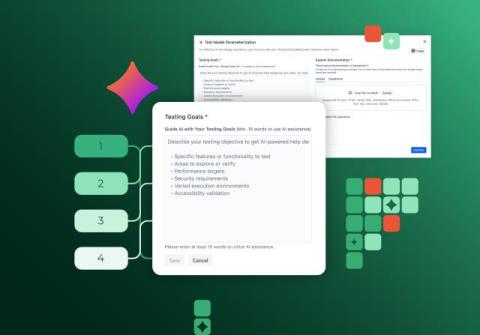
Introducing AI-Powered Test Case & Test Model Generation in Xray

We’re excited to introduce two powerful new capabilities in Xray: AI Test Case Generation and AI Test Model Generation for Xray Enterprise, powered by Sembi IQ — Sembi’s AI platform built to help QA, development, and security teams deliver better software, faster. With these new features, Xray brings intelligence directly into the testing process, making it faster to design tests, easier to ensure coverage, more secure by design, and always guided by human expertise.

Introducing AI Test Model Generation in Xray Advanced and Enterprise

QA teams have never been more central to product success or more pressed for time. As complexity increases, testers are expected to deliver broader coverage and deeper insight into system behavior while keeping pace with shorter release cycles. Model-based and data-driven testing offer a structured way to design tests that uncover gaps, ensure coverage, and reduce duplication.

How to introduce AI Tools into your QA process successfully

Every QA engineer has felt the crunch: tighter deadlines, growing complexity, and the same old expectation that everything must work perfectly by release day. It’s not an easy balance. That’s why AI in software testing has become such a hot topic. It promises faster test case generation, smarter insights, and support with tasks that usually eat up hours of time. But let’s be clear: AI isn’t here to replace testers.

Smarter Test Design starts here: Introducing AI Test Case Generation in Xray

QA teams are more critical than ever but also more pressed for time. With faster development cycles and growing complexity, testers must keep speed and quality in balance. Yet test case creation is still slow, manual, and repetitive - consuming time, introducing errors, and risking missed scenarios. It’s time for something better.

Why Exploratory Testing thrives with AI

Software is now shipped faster than ever and testing evolved beyond rigid scripts and predefined steps. One approach that has always embraced adaptability, critical thinking, and curiosity is exploratory testing: the process of learning, designing, and executing tests simultaneously — often uncovering issues that traditional testing might miss. As Artificial Intelligence (AI) becomes more embedded in the software development lifecycle, many wonder: will AI replace exploratory testing?

Performance Testing in Agile: Optimizing Workflows with Xray

Today, users expect software to be not only functional but also fast, reliable, and scalable. And that’s where performance testing comes in. It focuses on evaluating how an application behaves under expected or extreme workloads. Traditionally, performance testing was reserved for the final stages of development. But with the rise of Agile and DevOps, this approach no longer fits.

Xray Requirement Coverage explained: automating quality with Test Executions

Xray’s Requirement Coverage refers to how defined requirements inside a specific project are being validated by tests. Each requirement – whether Jira Story, Epic or Feature - should be connected to one or more test cases. When these tests are being executed and the results are being reported, the coverage status of the requirements automatically updates. Bottom line, only creating tests is not enough.