Systems | Development | Analytics | API | Testing

Popular instant messaging and chat protocols

Chat and instant messaging are a key part of how many applications are driving product adoption, user engagement, and retention. As a product owner or developer, you’re almost spoiled for choice when it comes to deciding how to implement chat in your product. In this article, we’re going to go deep and look at the protocols that power chat.

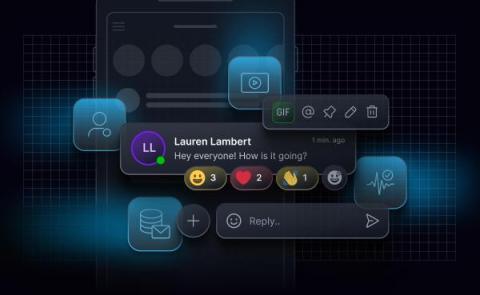
Scaling realtime messaging for live chat experiences: Challenges and best practices

Live chat is the most common type of realtime web experience. Embedded in our everyday lives, we use messaging platforms like WhatsApp and Slack daily to keep in touch with friends and family, and to communicate and collaborate at work. With live chat functionality also prominent across e-commerce, live streaming, and e-learning experiences, end users have come to expect (near) instant message receipt and delivery.

Scalable chat app architecture: How to get it right the first time

Live chat is everywhere. From connecting distributed workers across continents, through providing an efficient customer service channel, to bringing together online communities, chat is central to how we communicate. This demand puts an unusual level of pressure on chat app operators to make sure that every message reaches its destination, every time.

5 best chat APIs and messaging SDKs

Looking for the perfect chat solution can be a daunting task. You need a provider that not only supports all the necessary chat features but also offers delivery and scaling guarantees to ensure a smooth chat operation as your business grows. While it might be tempting to start with a simple solution and see how your needs evolve, underestimating the importance of finding the right provider can be a costly mistake.

The ultimate live chat features list (with examples)

Customer experience is changing. Research from Merkle shows that customer loyalty increasingly relies on an emotional connection, with frictionless interactions a core requirement. This means that the days of strictly regimented, one-off customer contacts are over. Instead, customers today expect an ongoing relationship with the brands they trust. Done well, live chat can be the ideal way to provide that ongoing connection.

In-game chat: Eight key features and how to deliver them

With more than a billion players worldwide, online games are a significant cultural, social, and economic phenomenon. And while innovative gameplay gets people through the door, it’s the social aspect of online gaming that keeps them playing. That puts social functionality front and center when it comes to the difference between an ongoing hit and an expensive flash in the pan. And players are quite particular about how they want to engage with others.

Live chat examples: Companies using live chat in creative ways

Imagine you’re running a logistics business. Your asset tracking stops working, and the only way for customers to get in touch is via email or phone. As calls and emails pile in, your support team becomes stretched - and customers become frustrated as they have to wait to have their calls taken and emails answered. Now imagine if instead the customer who first experienced the issue could have accessed a live chat service, and easily let your customer service team know what was going on.

Building a realtime chat app with Laravel using WebSockets

You use realtime communication every day. It is the simultaneous exchange of information between a sender and a receiver with almost zero latency. Internet, landlines, mobile/cell phones, instant messaging (IM), internet relay chat, videoconferencing, teleconferencing, and robotic telepresence are all examples of realtime communication systems. In this tutorial, you’ll learn how to build a web based realtime chat app using Laravel, Ably and Vue.js.