Systems | Development | Analytics | API | Testing

The 2026 Finance Stack: Which Layer Are You Actually Missing?

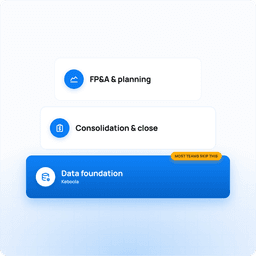
Most comparison guides in this space organise tools by feature count or analyst quadrant position. Neither is especially useful if you are a CFO trying to solve a specific problem under time pressure. The more useful diagnostic is category. Finance intelligence tools in 2026 fall into three distinct layers, and buying the wrong layer is the most expensive mistake you can make. Consolidation and close platforms are built to produce auditable, multi-entity financial statements.

Why Your Best Finance Analysts Are Leaving

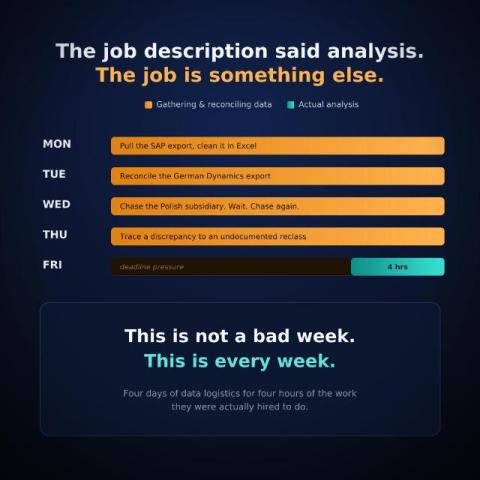
It is Monday morning. Your strongest FP&A analyst opens their laptop and starts pulling the SAP export. They clean it in Excel, cross-reference it against last month's version, and flag the columns that have shifted format again. Tuesday they pull the Dynamics export from the German entity and begin reconciling the two. Wednesday the Polish subsidiary data has not arrived. They chase the local accountant, wait, chase again.

The Frozen Excel Preference

There is a pattern showing up in finance teams that almost nobody is writing about, because it runs counter to the narrative. Finance leaders at organisations with messy, ungoverned data have made a deliberate choice: they prefer working with a frozen Excel snapshot over connecting AI to their live financial data. Not because they are afraid of technology. Not because they distrust AI as a concept.

What Happens When the CEO Can Always Get the Answer

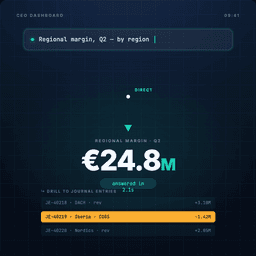
The goal is not complicated to describe. The CEO opens a dashboard, asks a question about regional margin for Q2, drills through to the underlying journal entries, and gets the answer in seconds, without asking anyone. No email to the controller. No waiting until Thursday. No 'let me come back to you on that.' Every CFO who has sat through a pitch for a data platform has been shown this vision. Most of them believe it is achievable. A meaningful number have actually achieved it.