Systems | Development | Analytics | API | Testing

February in Node.js: Release Discipline, Security Signal, and Runtime Progression

February was not defined by major feature drops. It was defined by process hardening, structured release cadence, and continued runtime iteration across both LTS and Current lines. For production teams, this month reinforced three pillars: This is the technical breakdown of what actually mattered.
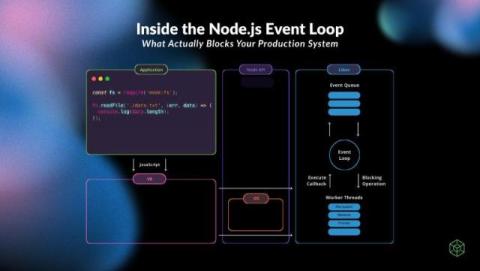
Inside the Node.js Event Loop: What Actually Blocks Your Production System

Your service doesn’t crash. It just gets slower. Latency creeps up. Requests that used to take 20ms now take 120ms. p99 drifts. Throughput drops slightly. Nothing is obviously broken — but the system feels congested. You open your dashboards. And yet, something is clearly off. In many production systems, this is what Event Loop pressure looks like. Not a failure. Not an outage. But a runtime that is struggling to make forward progress. The JavaScript thread is not dead. It’s busy.

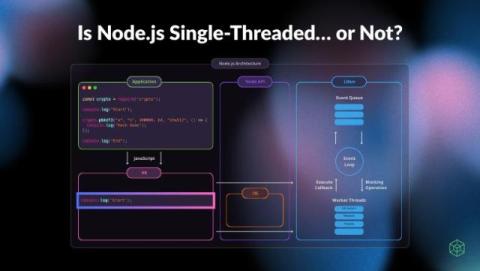
Is Node.js Single-Threaded... or Not?

You’ve probably heard: “Node.js is single-threaded.” That statement is only partially correct. The JavaScript engine (V8) is single-threaded. Node.js as a runtime is not. Under the hood, Node.js uses multiple threads — through libuv and the operating system — to handle I/O and computationally expensive work. So the real question isn’t whether Node.js is single-threaded. It’s.

OpenTelemetry vs. Deep Runtime Telemetry: Which Is Better for Your Node.js Stack?

If you're running Node.js in production, you've likely heard the buzz around OpenTelemetry. It's the industry standard for observability, backed by major vendors, and it promises vendor-neutral telemetry collection across your entire stack. For many teams, it's a game-changer: finally, a unified way to collect traces, metrics, and logs without getting locked into a single vendor's ecosystem.

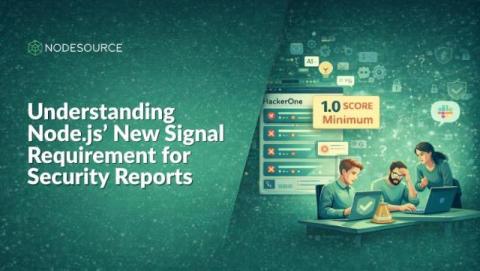
Understanding Node.js' New Signal Requirement for Security Reports

Node.js has updated its vulnerability reporting policy on HackerOne, introducing a minimum Signal requirement. This change aims to improve report quality, reduce operational noise, and better support the maintainers responsible for project security. Below is an explanation of why this change happened, how it works, and what it means for the security community.

January in Node.js: Releases, Security Updates, and What Actually Matters

January didn’t bring radical changes to Node.js, and that’s precisely why it was important. Instead of headline features, the first month of the year reinforced a clear direction for the ecosystem. Stability over novelty. Signal over noise. Security handled with context rather than urgency. For teams running Node.js in production, January delivered clarity. Here’s what actually mattered.