Systems | Development | Analytics | API | Testing

How to Build a Digital Mortgage Platform: Architecture, Compliance & AI Strategy

Getting a mortgage today still feels slower than it should. Borrowers deal with repeated document uploads, limited visibility, and long approval cycles. Meanwhile, lenders struggle with legacy systems, manual underwriting, and rising compliance pressure. The cost is real. Inefficient mortgage processes increase time-to-close, cost per loan, and drop-offs mid-application.

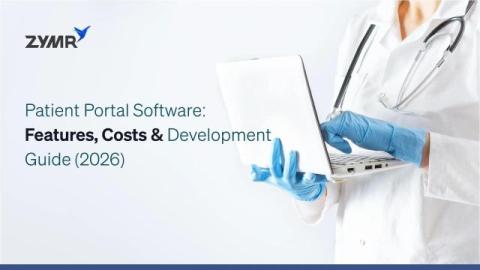
Patient Portal Software: Features, Costs & Development Guide (2026)

Healthcare is no longer compared to other hospitals. It’s compared to digital-first experiences across industries. Speed, transparency, and self-service are now baseline expectations. Recent insights from McKinsey & Company show that consumers are taking a far more active role in managing their health and expect easier, digitally enabled interactions across their care journey. At the same time, health systems are under pressure to modernize.

Clinical Decision Support Systems: Architecture, Development Steps & Costs

Did you know? Diagnostic errors, such as delayed, incorrect, or missed diagnoses, contribute to nearly 16% of preventable harm in healthcare systems worldwide. A patient walks in with chest pain. The symptoms look routine, the vitals seem stable, and the ER is already overloaded. Now, the real question is not what the diagnosis is, but how quickly you can get it right without missing something critical. This is where Clinical Decision Support Systems (CDSS) come in.

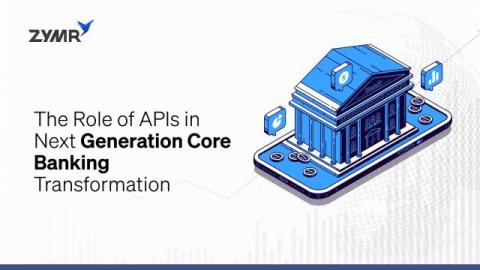
The Role of APIs in Next Generation Core Banking Transformation

For decades, banks relied on monolithic core systems that were stable but rigid. These platforms were designed for reliability rather than flexibility. Adding new products often meant months of integration work. Launching a digital service requires even longer. That model is now breaking. Customers expect instant payments. Fintech startups release new financial products every few weeks. Regulators are encouraging open banking ecosystems where financial data flows securely across platforms.

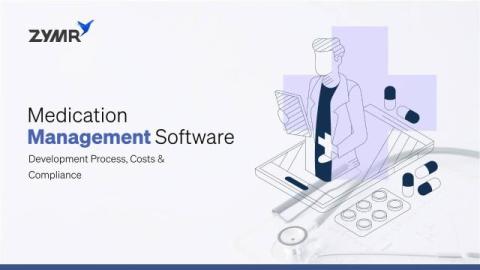
Medication Management Software: Development Process, Costs & Compliance

The healthcare landscape is shifting from paper-based records to intelligent, automated ecosystems. At the heart of this transformation is Medication Management Software. This technology does more than just track pills. It serves as a digital safety net for patients and a productivity engine for providers. With the rise of complex drug regimens and a growing geriatric population, the margin for human error has become dangerously thin.

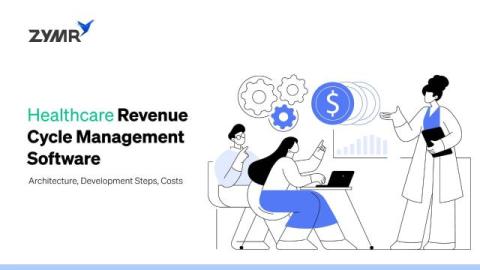
Healthcare Revenue Cycle Management Software: Architecture, Development Steps, Costs

let ‘s be real, the financial side of healthcare is a mess. For patients to schedule appointments and insurers to disburse the final reimbursement, the financial process must work seamlessly. When these systems work on a disconnected workflow, delays are bound to happen. To top it all, the sheer volume of patient data doesn't make the job easier. Its not about just losing money but also about losing patients’ valued time. It is important to have a centralised system.

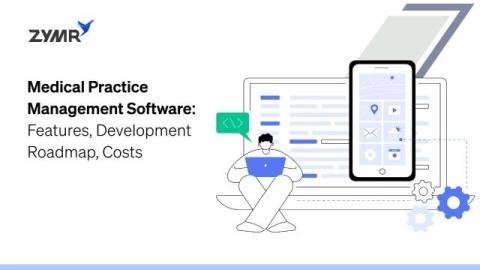
Medical Practice Management Software: Features, Development Roadmap, Costs

Running a medical practice today involves much more than treating patients. Clinics must manage scheduling, insurance verification, billing, compliance, and reporting, often across multiple disconnected systems. When these workflows depend on manual processes or outdated tools, administrative work quickly overwhelms staff.

Incident Management in Healthcare: From Detection to Resolution

Healthcare systems operate in an environment where even a minor disruption can have serious consequences. A delayed lab result, an unavailable electronic health record, a misconfigured medical device, or a security alert left unattended can directly affect patient outcomes and organisational credibility.

AI for Treatment Personalization: Use Cases, Benefits, and Implementation Guide (2026)

Healthcare still runs on generalized treatment protocols, even though every patient is biologically and clinically different. Clinicians often make decisions under time pressure using fragmented data from EHRs, labs, and patient history. That leads to gaps such as delayed diagnoses, trial-and-error treatments, and inconsistent outcomes. At the same time, expectations have changed. Patients now expect healthcare to be as personalized as the rest of their digital experiences.