Systems | Development | Analytics | API | Testing

Incident Management in Healthcare: From Detection to Resolution

Healthcare systems operate in an environment where even a minor disruption can have serious consequences. A delayed lab result, an unavailable electronic health record, a misconfigured medical device, or a security alert left unattended can directly affect patient outcomes and organisational credibility.
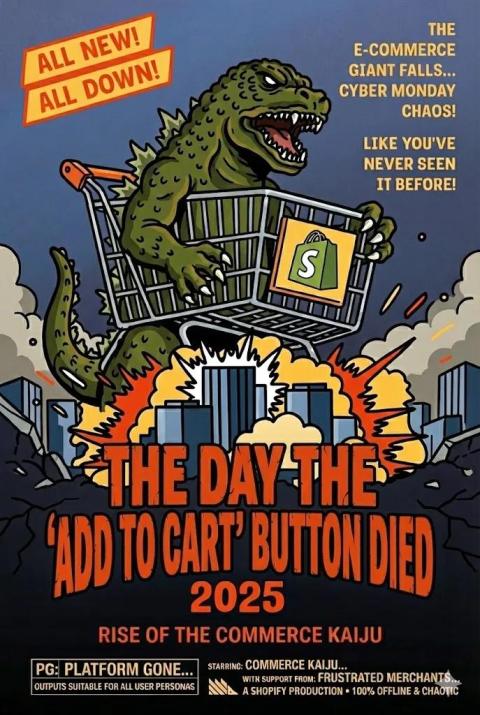

Shopify Outage 2025: Rise of the Commerce Kaiju

It was a normal day in the land of eCommerce. Birds were singing, dashboards were loading, and merchants everywhere felt cautiously optimistic. Then the ground trembled. A tiny glitch. A flicker. A warning log no one read. And suddenly— BOOM! Shopify burst out of the digital ocean like a gigantic scaly beast that woke up on the wrong side of the server rack. Checkouts froze mid-purchase. Product pages stopped producting. Merchants stared blankly at blank screens. The Commerce Kaiju had arrived.

Cloud vs. On-Premise: Incident Response with DreamFactory

When it comes to handling security breaches, cloud and on-premise environments offer vastly different incident response approaches. Here's what you need to know: Cloud setups prioritize speed and automation. They reduce recovery times by up to 80% with tools like automated playbooks, real-time monitoring, and built-in redundancy. On-premise systems offer full control over hardware and data but rely heavily on manual processes, leading to 25% longer recovery times on average.

The Inevitable Outage: Why Your Hybrid Strategy Needs Multi-Cloud Resilience

The recent global IT outage experienced by a major cloud hyperscaler was a disruptive, real-world reminder that downtime and service disruptions are inevitable. The event impacted services across banking, retail, and healthcare, and served as a powerful warning that relying on any single provider, or even a single cloud region, creates a critical business vulnerability. This outage highlights the critical risk of a single-provider strategy, rather than an inherent problem with the cloud.

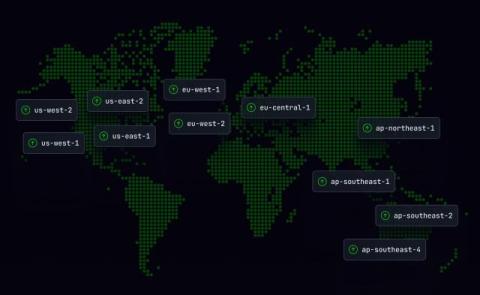
AWS us-east-1 outage: How Ably's multi-region architecture held up

During this week’s AWS us-east-1 outage, Ably maintained full service continuity with no customer impact. This was our multi-region architecture working exactly as designed; error rates were negligibly low and unchanged throughout. Any additional round trip latency was limited to 12ms, which is below the typical variance in any client-to-endpoint connection, and well below our 40–50ms global median; this is imperceptible to users and below monitoring thresholds.

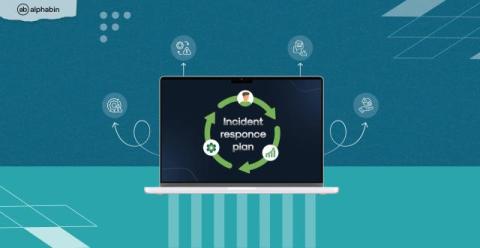
How to Create an Incident Response Plan for Your Business?

Cyber threats are an ongoing threat to businesses globally. Ransomware is happening every 11 seconds, and 36% of breaches will be phishing. The average cost of a data breach has jumped to $4.88 million, and therefore, as per an IBM report, cybersecurity has become more crucial. The real challenge isn't just avoiding an attack—it's actually how quickly and successfully you can respond to one.

Rapid Incident Response: How to Minimize Downtime in Production

Imagine you received an urgent Slack notification that bypassed your notification snooze. Your stomach drops as you realize there is a critical problem with your application. The next few hours are not going to be fun. Uptime and high performance are key elements of a successful application. If users can’t effectively get what they need from your app, they’ll quit and find an alternative.

The Hidden Cost of Software Glitches: How Quality Drives Your Business

What if a single software glitch could cost your company millions? In today’s digital world, that’s not just a possibility – it’s reality. As businesses double down on digital-first strategies, software powers everything from critical infrastructure to day-to-day consumer experiences. Even minor bugs can cause massive disruptions, halt business operations, and compromise customer trust. The margin for error has never been smaller.

Breaking Down the CrowdStrike Outage Part 1: Preventing Critical Errors from Reaching Production

On July 19th, 2024, the world witnessed a large-scale computer outage caused by a faulty update from cybersecurity giant CrowdStrike. This incident, affecting millions of Windows devices globally, serves as a stark reminder of the domino effect that software errors can have. Since then, CrowdStrike and other industry experts have shared their preliminary incident report in which they outline the incident and the steps they will take to prevent future issues like this.

Breaking Down the CrowdStrike Outage Part 2: Observability Strategies to Prevent Application Catastrophes

On July 19th, 2024, the world witnessed a large-scale computer outage caused by a faulty update from cybersecurity giant CrowdStrike. This incident, affecting millions of Windows devices globally, serves as a stark reminder of the domino effect that software errors can have. In part one of this series, we discussed the role QA methodologies can play in preventing future outages.