Systems | Development | Analytics | API | Testing

How to Write a Software Requirements Specification (SRS) Document

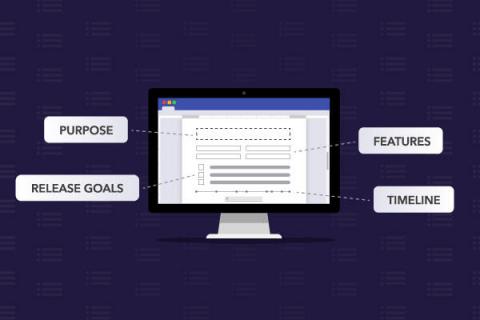
A detailed Software Requirements Specification (SRS) document is key to building software that meets both business needs and user expectations. Clear, concise, and executable requirements align project teams, offer clarity on functionality, and act as a single source of truth throughout development. Whether you're using agile, waterfall, or a hybrid approach, this guide will help you craft clear, complete, and testable requirements.

Perfecto AI: Financial Trading App Stock Simulator

This video demonstrates Perfecto AI in action, showcasing its advanced test automation capabilities within a financial trading app stock simulator. See how Perfecto AI, powered by Perforce Intelligence, eliminates the need for brittle scripts and manual frameworks — instead delivering AI-driven actions and natural language prompts that automate testing processes from setup to validation. Observe how it verifies critical components like graphs, colors, and trends, delivering consistent and reliable results even as user interfaces evolve.

Microsoft Fabric Data Masking with Perforce Delphix: Demo

In this demo, see how Microsoft Fabric data masking works with Perforce Delphix Compliance Services. Steve Karam walks through how you can ingest, discover, and irreversibly mask sensitive data across 170+ sources — including Snowflake, Databricks, Fabric Lakehouse, and Azure Data Lake — with seamless integration into Microsoft Fabric. Learn how to: With Delphix Compliance Services, you can deliver compliant, quality, ready-to-use data for AI and analytics at the speed and scale necessary for enterprise-level innovation.

Why Companies Choose Perforce Delphix for Test Data Management

Companies are under constant pressure to accelerate innovation without compromising compliance or data security. Legacy test data management tools can’t keep up with today’s DevOps demands. Perforce Delphix stands out as a top choice for enterprises across industries. It delivers automated, compliant test data to accelerate DevOps, improve quality, and reduce risk.

SAP Data Scrambling: 3 Common Misconceptions & The Secret to Success

SAP data scrambling is critical to protect business data. Over 90% of Fortune 500 companies manage their business operations using SAP systems. Each company typically maintains many non-production environments containing sensitive data. But when it comes to protecting SAP data, too many enterprise leaders believe the myths. To truly protect SAP data at your enterprise, you need to learn the truth and you need to adopt best practices. In this blog, we’ll share exactly that.

How to Test Your Mainframe With Open Source Tools

In the past, mainframe users have been limited to expensive legacy tools, but today, it's possible to embrace agility, and security with integrating open source tools into the mainframe.Watch this how to video to see how mainframe users can also get on board to achieve superior test coverage, by testing more often, and throughout the whole development cycle.

What is CCPA Compliance? What Enterprises Need to Know

If you’re a big enterprise doing business in California, then California Consumer Privacy Act (CCPA) compliance is non-negotiable. But, while the CCPA is a stringent regulation, complying with it doesn’t have to slow your organization down or limit your ability to innovate. In this blog, we will go over the essentials of CCPA, including who must comply and the regulation’s key provisions.

Common Vulnerability Scoring System: What Is CVSS in Cybersecurity?

Common Vulnerability Scoring System (CVSS) and the National Vulnerability Database (NVD database) help you to properly assess which software vulnerabilities should be your top priority. Here, we explain what is the National Vulnerability Database (NVD), what is the Common Vulnerability Scoring System, and how CVSS is used to calculate risk. Read along or jump to the section that interests you the most.

5 ETL Pipeline Best Practices (And What Yours is Missing)

When searching for ETL pipeline best practices, you will find some common themes: ensuring data quality, establishing consistent processes, and automating out repetitive tasks. There’s a reason these are recommended over and over: they help establish reliable, efficient, and scalable workflows. But one thing that isn’t often emphasized is the importance of implementing consistent, scalable compliance efforts — specifically by using data masking.

Non-Functional Requirements: Tips, Tools, and Examples

Developing high-quality products means carefully defining and tracking both functional and non-functional requirements (NFRs). But what exactly are non-functional requirements and how can you best manage them? This guide will help you understand the difference between functional and non-functional requirements with real-world examples. It also covers best practices for writing them and discusses how to track and manage non-functional requirements for greater efficiency.