Systems | Development | Analytics | API | Testing

Enterprise Data Architecture: Time to Upgrade?

ChaosSearch is participating in the upcoming Gartner Data & Analytics Summit (May 4-6), a virtual conference for professionals and executive leaders in Data & Analytics (D&A). The summit will feature expert talks from Gartner analysts, engaging workshops, and the opportunity to participate in roundtable discussions with D&A professionals and executive leaders. This blog post was inspired by the tagline of this year’s Gartner Data & Analytics Summit: Learn, Unlearn, Relearn.
6 Data Cleansing Strategies For Your Organization

The success of data-driven initiatives for enterprise organizations depends largely on the quality of data available for analysis. This axiom can be summarized simply as garbage in, garbage out: low-quality data that is inaccurate, inconsistent, or incomplete often results in low-validity data analytics that can lead to poor business decision-making.

Data Lake Challenges: Or, Why Your Data Lake Isn't Working Out [VIDEO]

Since the data lake concept emerged more than a decade ago, data lakes have been pitched as the solution to many of the woes surrounding traditional data management solutions, like databases and data warehouses. Data lakes, we have been told, are more scalable, better able to accommodate widely varying types of data, cheaper to build and so on. Much of that is true, at least theoretically.

Cloud Data Retention & Analysis: Unlocking the Power of Your Data

Enterprise data growth is accelerating rapidly in 2021, challenging organizations to adopt cloud data retention strategies that maximize the value of data and fulfill compliance needs while minimizing costs. To meet this challenge, organizations are adopting or refining their cloud data retention strategies. In this blog post, we’ll take a closer look at the state of data retention and analytics in the cloud.

Data Transformation & Log Analytics: How to Reduce Costs and Complexity

Logs are automatically-generated records of events that take place within a cloud-based application, network, or infrastructure service. These records are stored in log files, creating an audit trail of system events that can be analyzed for a variety of purposes, including: Enterprise organizations use log analytics software to aggregate, transform, and analyze data from log files, developing insights that drive business decisions and operational excellence.

Breaking the Logjam of Log Analytics

To understand the value of logs—those many digital records of hardware and software events—picture a big puzzle. You put all the pieces together to make sense of them. Every day the modern enterprise generates billions of logs, each capturing a user log-in, application record change, network service interruption—as well as the messages these entities send to one another.

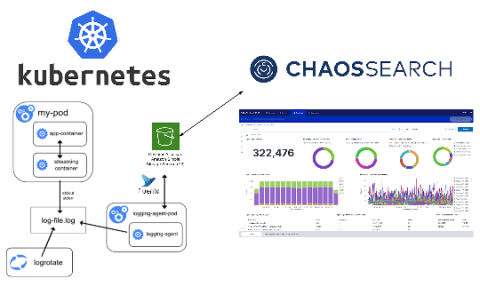
Kubernetes is eating the world; you can digest K8's plume

Innovation in hypervisor technology in the early 2000’s from both commercial and open source projects was the genesis for the public cloud as we know it today. Virtualization and Moore’s law, together with advances in storage technology, mobile and wireless, created a data explosion that continues to accelerate through today.