Systems | Development | Analytics | API | Testing

Playwright vs Selenium: Key Differences

You’ve just wrapped a long sprint. Deadlines are tight, and QA is struggling with flaky test runs. Your team debates the age-old question should we stick with Selenium or finally migrate to Playwright? It’s not just about speed anymore; it’s about control, visibility, and smarter automation. The truth is, both Playwright and Selenium have their strengths but only one fits your product, pace, and team DNA.


How to Perform End-to-End Testing with Playwright

You know the feeling, you push a new feature, and your tests should catch any issues. But instead, they fail inconsistently, slow down your pipeline, or worse… pass when they shouldn’t. End-to-end testing is always a risk. That's precisely the reason why more teams are turning to end-to-end testing with Playwright. Unlike clunky legacy frameworks, the Playwright testing framework was built for speed, reliability, and cross-browser accuracy all out of the box.

How to Migrate from Selenium to Playwright

I remember the time when Selenium was first set up. It felt empowering a reliable tool for browser automation. But over time, the shine wore off. I was spending more time fixing broken tests than validating real features. That’s when I thought of Migrating from Selenium to Playwright and honestly, I wish I had done it sooner. The speed, stability, and built-in smart features just work. What makes Playwright stand out from Selenium is its clarity.

Using Playwright for Mobile Web Testing: Best Practices and Tips

Ever spend hours debugging mobile web tests only to have them fail in production? Join the club. What works flawlessly on your desktop can turn into a nightmare on mobile browsers. As mobile web usage continues to rise, ensuring your site performs well across all devices is more important than ever, driving the need for robust mobile testing solutions. But here’s the thing: Playwright for mobile web testing changes everything.

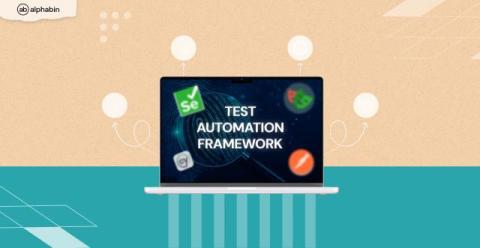
Test Automation Service Selection: 10 Points Evaluation Framework

Imagine you’re at a crossroads, about to select a test automation service provider. This decision could make or break your entire software quality journey. Choosing a provider that is wrong for your organization could cost you much more than money - it could also harm your product reputation, delay getting your product to market, and dissatisfy your customers. Automation testing is too critical to get wrong.

QA Wolf vs Rainforest QA vs Alphabin: The 2025 AI-Driven QA Comparison

Today, Quality Assurance accounts for approximately 40% of overall development costs. Forty percent. Nearly half of your development budget is going to QA, and your best engineers are still doing repetitive work that should've been automated years ago. Something's broken in QA, and I think I know what it is. Alphabin’s approach to QA positions it as a leading option, on par with QA Wolf and Rainforest QA.

Top 8 AI Testing Tools: What You Need to Know

Still spending hours fixing fragile test scripts and chasing flaky failures? You are not alone. Traditional testing tools cannot keep the pace of modern development, especially in fast-moving SaaS, E-commerce, and FinTech teams. Endless maintenance, slow cycles, and limited coverage are killing velocity. At Alphabin, we believe testing shouldn’t slow you down. That’s why this blog explores the top 8 AI testing tools that don’t just automate, they learn, self-heal, and scale.

Playwright Mobile Testing - Android & iOS Execution Demo | Alphabin

In this video, we walk you through a real execution demo of mobile web testing using Playwright, focusing on both Android Chrome browser and iOS device simulation. What’s covered in this video: This video is part of our Playwright Automation Series at Alphabin, where we share practical examples and tips to help QA engineers and automation testers build robust mobile test pipelines. Our Blog: Check out our detailed blog on Using Playwright for Mobile Web Testing for configuration examples, test case snippets, and best practices.

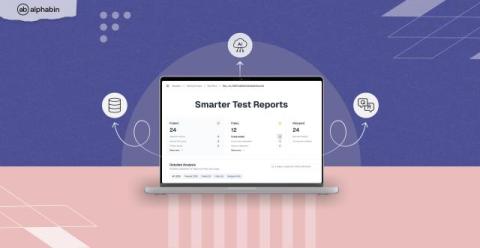
Data-Driven Test Reporting: Boost QA Efficiency

I recently connected with a data engineering manager leading engineering efforts at an energy analytics company. His team processes complex data from hundreds of public sources, each with its own format, errors, and quirks. During our conversation about data quality challenges, he shared an insight that resonated deeply: This principle applies directly to QA. Every day, we generate test results that teams rely on for critical decisions.

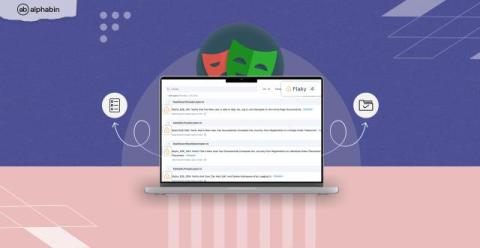
How to Fix Flaky Playwright Tests

A few weeks ago during a sprint, our QA team flagged a frustrating issue: a Playwright test that passed locally, failed in CI, then passed again all without any code change. It was slowing us down and shaking confidence across the team. Digging deeper, we found what many engineers face: Flaky tests caused by bad timing, unstable selectors, and missed auto-wait features. In fast-moving CI/CD pipelines, these issues went unnoticed until they broke builds.