Systems | Development | Analytics | API | Testing

At the Edge: Smarter Data Flows for Industrial and IoT AI

Industries like manufacturing and smart cities rely on connected devices to generate data streams for predictive maintenance, automation, and efficiency. But moving this data between systems can be slow, insecure, and inefficient. Here's the solution: smart data flows powered by edge computing and automated APIs.

AI-Powered REST API Security and Management with DreamFactory

Modern innovation demands fast, secure, and flexible access to data. But when organizations deal with scattered databases and strict security policies, manual API development slows everything down. The solution? Automate how APIs are built, secured, and managed—using AI and open-source tools like DreamFactory.

Performance Under Pressure: Why AI Gateways Matter for Real-Time AI

Real-time AI is transforming how businesses operate, from faster decision-making to improved customer experiences. But to handle the speed and complexity of real-time data, enterprises rely on AI gateways. AI gateways act as intermediaries, ensuring smooth, secure, and scalable communication between AI models and enterprise systems. Here's why they matter: Speed: They process and route data instantly, critical for industries like finance, healthcare, and logistics.

Is MindsDB Safe for Enterprise Use? Security Risks and Alternatives

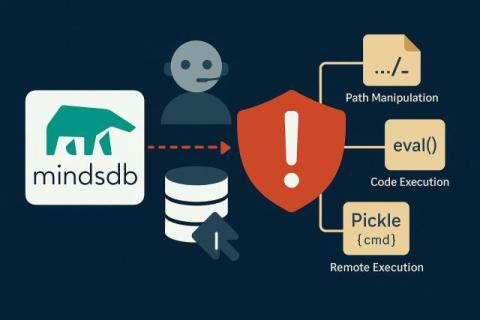
MindsDB has gained attention for its promise to act as a “SQL server for AI”, enabling users to write natural language prompts that convert into executable database queries. While this may appeal to data scientists and AI teams, enterprise CISOs and compliance leaders should proceed with caution. Recent disclosures have revealed critical security vulnerabilities in MindsDB’s platform that raise serious questions about its suitability for sensitive or regulated environments.

Top 7 AI Solutions for API Testing and Monitoring in 2025

APIs are the nervous system of modern software—and as AI systems like large language models (LLMs) become deeply embedded across products and platforms, the demand for fast, secure, and scalable API infrastructure has never been higher. From early-stage startups to global enterprises, organizations rely on APIs not just to move data, but to power real-time intelligence, automation, and customer experiences.

Zero-Trust for LLMs: Applying Security Principles to AI Systems

Zero-trust security ensures you verify every interaction, whether it’s a user, system, or API, before granting access. For large language models (LLMs), this approach is vital to prevent data breaches and maintain control over sensitive information. Here’s how zero-trust principles apply to LLMs: Identity Verification: Use multi-factor authentication (MFA) for users and secure API keys for systems. Regularly review and update permissions.

Real-Time AI at Scale: The New Demands on Enterprise Data Infrastructure

Real-time AI is transforming how businesses process and use data, demanding faster, more reliable, and scalable infrastructure. Unlike older batch processing systems, real-time AI provides instant insights for applications like fraud detection, personalized recommendations, supply chain adjustments, and predictive maintenance. However, scaling these systems introduces challenges like managing massive data streams, ensuring low latency, and maintaining security.

AI-Powered REST API Security and Management with DreamFactory

Modern innovation demands fast, secure, and flexible access to data. But when organizations deal with scattered databases and strict security policies, manual API development slows everything down. The solution? Automate how APIs are built, secured, and managed—using AI and open-source tools like DreamFactory.

Beyond RAG: Secure, Agent-Based Access to Enterprise Data

Struggling with secure, real-time enterprise data access? RAG (Retrieval-Augmented Generation) systems are popular but often fall short in handling dynamic data, security, and compliance. Enter agent-based systems - designed to securely connect AI to live databases, APIs, and ERP systems while enforcing strict permissions and audit trails. Key Takeaways: RAG systems lack granular security, real-time updates, and detailed compliance tracking.

No Code API Tutorial | Build a Secure REST API in 5 Minutes with DreamFactory

In this No Code API Tutorial, you’ll learn how to build a secure REST API in less than 5 minutes using DreamFactory — no coding required. This tutorial shows how to instantly generate a database API for your data products or front-end applications, saving you days or even weeks of development time. Here’s what you’ll discover in this step-by-step guide: How to connect to any SQL or NoSQL database instantly.

No Code API Tutorial: Merge Tables and Create Virtual Joins Across different Databases

This brief demo outlines how DreamFactory automatically inspects the schema of any database API created, enabling a wide range of data mesh activities, such as merging tables and joining data across disparate databases using virtual joins. This significantly reduces development time and ensures data consistency across your entire data landscape.

AI-Generated SQL: Enterprise Dream or Security Nightmare?

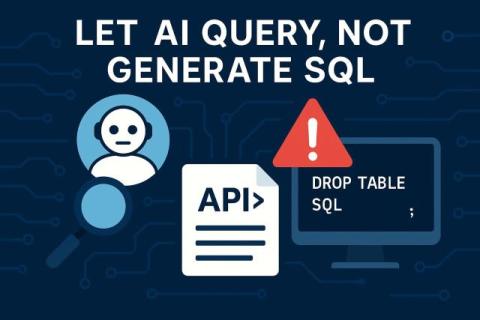
The idea of using an AI like GPT-5 or any LLM based tool to generate SQL from natural language sounds like a productivity goldmine. Ask the AI a question, and it automatically writes and executes the perfect query. Insight on demand. No SQL expertise needed. But beneath this automation lies a serious threat. Giving AI systems free rein to generate and run SQL against your production database is not just risky—it could be catastrophic.

Webhook Triggers for Event-Driven APIs

Webhooks are a smarter way for APIs to communicate in real-time. Unlike polling, which constantly checks for updates, webhooks automatically send notifications when specific events occur. This makes them faster, more efficient, and resource-friendly. Here’s how they work and why they matter: What are Webhooks?: They are HTTP callbacks triggered by events, delivering data instantly to other systems.

Governing Agentic AI: Secure, Scalable Data Access with DreamFactory

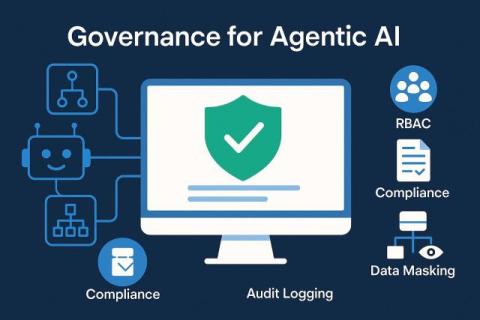
Few trends are capturing as much attention as agentic AI—autonomous systems that collaborate with humans, large language models (LLMs), and enterprise data to complete complex tasks. These agents are redefining work: handling customer service, streamlining compliance, conducting research, and orchestrating workflows across distributed environments. But as organizations scale their use of autonomous agents, one question looms large: How do we govern this power responsibly?

Cache Miss Handling in Microservices

When a cache miss occurs in a microservices architecture, the system fails to retrieve requested data from the cache, leading to slower performance as the data must be fetched from the database or other sources. Handling these misses efficiently is key to maintaining system speed and reliability. Here's a quick summary of the main strategies: Cache-Aside Pattern: The application fetches data from the database on a miss, stores it in the cache, and serves it to the user.

Expose Your Database to AI, Securely: A Guide to Zero-Credential, Injection-Proof Access

Large Language Models (LLMs) like ChatGPT and Claude offer powerful ways to extract insights from enterprise data. But connecting them directly to your backend databases—without security safeguards—can lead to disaster. A naïve setup, such as giving an LLM raw SQL login credentials, exposes your business to massive risk: credential leaks, SQL injection attacks, and unauthorized data access.

Post-Migration Testing for Cloud Migrations

Post-migration testing is not optional - it’s essential to ensure your systems work properly after moving to the cloud. Skipping this step can lead to data corruption, performance issues, and security vulnerabilities, which can disrupt operations and lead to costly fixes. Here's what you need to focus on.

Ensuring Data Consistency in Sharded APIs with High Latency

When dealing with sharded APIs, scaling is easier, but maintaining data consistency becomes a challenge, especially in high-latency environments. Here's the core problem: as data gets spread across multiple shards (or databases), operations like updates, reads, and transactions can lag or fail, leading to stale data, conflicts, or inconsistent states. This is especially problematic for critical applications like financial systems or e-commerce platforms.

From Siloed Sensors to Smarter Predictions: Data AI Gateways in Industrial IoT

Manufacturers are drowning in data but struggling to use it effectively. Sensors on factory floors generate massive amounts of information - temperature, vibration, pressure - but much of it sits in isolated systems, creating "data silos." These silos prevent real-time decisions, predictive maintenance, and cost savings. The solution? Data AI Gateways. These gateways unify isolated sensors, process data locally with edge computing, and translate protocols to connect legacy equipment with modern systems.

Optimizing IoT Protocols for Edge Microservices

Choosing the right IoT protocol for edge microservices can save energy, reduce latency, and improve efficiency. Here's a quick guide: MQTT: Lightweight and energy-efficient, ideal for resource-constrained devices. AMQP: Reliable and secure, great for mission-critical applications but resource-intensive. CoAP: Best for low-power, low-bandwidth devices with minimal energy needs. HTTP/REST: Widely compatible but consumes more energy and bandwidth.

DIY LLM Chatbot? 5 Reasons to Think Twice and Embrace DreamFactory's MCP

Large Language Models (LLMs) like ChatGPT and Claude have revolutionized how we think about business automation and conversational interfaces. So it’s no surprise that many organizations are considering building their own LLM-powered chatbot. But here’s the truth: creating a secure, scalable, and intelligent chatbot from scratch is harder than it looks.

Fault Injection for API Protocol Resilience

APIs are the backbone of modern systems, but when they fail, the impact can be catastrophic. Fault injection testing helps you prepare for these failures by simulating disruptions in a controlled way. This practice ensures APIs remain reliable and can recover gracefully under stress. Here's what you need to know.

Best Practices for Analyzing Logs in Data Pipelines

Analyzing logs in data pipelines is essential for maintaining system performance, troubleshooting errors, and ensuring compliance. Here's what you need to know: Why It Matters: Logs help identify bottlenecks, resolve errors, and optimize performance. They are also critical for audits and compliance. Challenges: High log volume, varying formats, and security risks make analysis complex. Solutions: Standardize log formats with timestamps, log levels, and metadata.