Systems | Development | Analytics | API | Testing

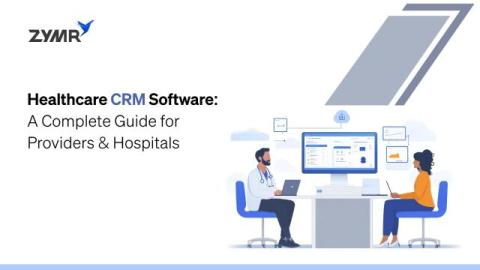
Healthcare CRM Software: A Complete Guide for Providers & Hospitals

Most of us can book a flight or order groceries in seconds with just a few taps on our phones. We’ve come to expect that same ease in every part of our lives, especially when it comes to our health. But for many patients, booking a simple doctor's visit still feels like a game of phone tag. While hospital staff are left juggling too many different systems just to get one person through the door.
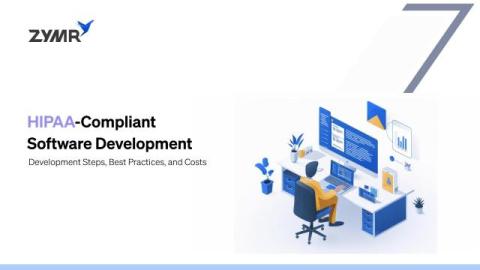
HIPAA-Compliant Software Development: Development Steps, Best Practices, and Costs

Healthcare software now powers everything, from telehealth visits to patient portals to digital billing. But, as healthcare goes online, these systems hold more sensitive data. Medical records contain far more than clinical notes. They often include identity details, insurance information, payment data, and years of medical history. Protecting that data is not optional. According to the U.S.

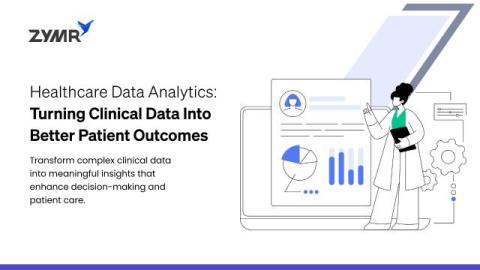
Healthcare Data Analytics: Turning Clinical Data Into Better Patient Outcomes

Healthcare isn’t just about medicine anymore; it’s about data. Every test result, clinical note, scan, survey, wearable readout, and insurance claim adds to a growing pool of clinical data. But raw data doesn’t improve outcomes on its own. It has to be interpreted, connected, and acted on.

How Automation Is Transforming Risk Assessment in Health Insurance

Key Takeaways Risk in health insurance no longer sits still. It changes with every diagnosis, claim, wearable signal, and care interaction. Treating it as a one-time underwriting event no longer works. Automation doesn’t just make things faster — it keeps things going. With automated risk assessment, insurers can track health risk as it changes, using live, up‑to‑date data instead of one‑time snapshots.

What Is an EHR?

Electronic Health Records (EHRs) are the digital backbone of today’s healthcare. They first began as a simple replacement for paper charts. Over time, they’ve grown into powerful, centralized systems that manage clinical workflows, support data sharing, and help keep patients more engaged in their care. Now, EHRs are much more than just digital filing cabinets.

Hospital Management Software: A Complete Guide for Modern Healthcare Providers

Hospitals today function at the crossroads of urgency, volume, and complexity. Patients anticipate quicker care, clinicians seek more efficient workflows, and administrators require better visibility, all amid rising costs. That’s where Hospital Management Software (HMS) earns its stripes. The global hospital management software market is projected to nearly double, reaching roughly at $57.64 billion by 2035.

Doctor Appointment App Development: Process, Costs, and Timeline

‍ In the fast-evolving world of healthcare software development, the bridge between a patient and their provider is no longer a phone line; it is a high-performance mobile application. The demand for Doctor Appointment App Development has transitioned from a "nice-to-have" luxury to a fundamental infrastructure requirement for modern medical practices.

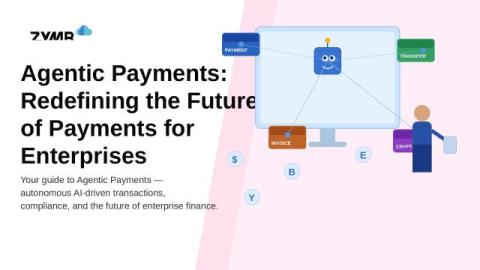
Agentic Payments: Redefining the Future of Payments for Enterprises

‍ Enterprise payment systems are at a breaking point: rising volumes, tighter margins, and ever-more sophisticated fraud are pushing traditional automation to its limits. The AI-enabled payments market was valued at $38.36 billion in 2024 and is projected to grow over the next decade. As firms seek smarter, real-time decisioning and risk control, highlighting how indispensable AI has become in payment stacks today. -