Systems | Development | Analytics | API | Testing

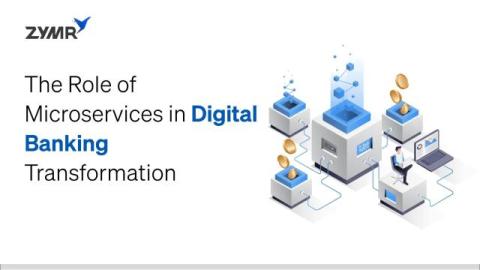
The Role of Microservices in Digital Banking Transformation: Architecture, Migration & Implementation Guide (2026)

A customer opens a banking app at 9:02 AM to check a failed payment. The balance looks wrong. Support says, “It’s a system delay.” The transaction finally reflects several hours later. That’s not a UX problem. It’s an architecture problem. Traditional banks still run on tightly coupled, monolithic systems designed for batch processing, not real-time expectations. But customers today compare banking experiences to Google Pay or Apple Pay, not legacy core systems.

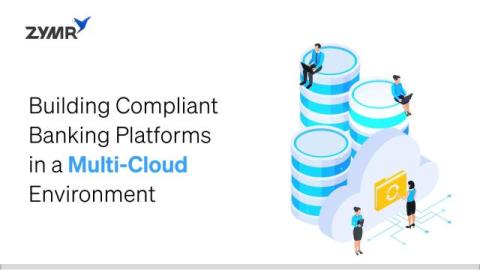
Building Compliant Banking Platforms in a Multi-Cloud Environment: Architecture, Risks & Best Practices

Banks are under pressure. Not just to innovate, but to do it safely. Customers expect seamless digital experiences. Regulators expect absolute control. And somewhere in between, banks are trying to modernize systems that were never designed for this level of speed or scrutiny. This is where Compliant Banking Platforms come into play. Today, financial firms have already embraced hybrid or multi-cloud strategies to balance costs and meet stringent compliance requirements.

Custom Warehouse Management System: Features, Architecture, Tech Stack & Development Guide (2026)

A warehouse doesn’t fail all at once. It slips. Warehouse operations have changed faster than the systems running them. That gap is showing up in subtle ways. Delays during peak hours, inventory mismatches across channels, and increasing reliance on manual interventions to keep workflows moving. Not failures, but friction. At a market level, the shift is clear.

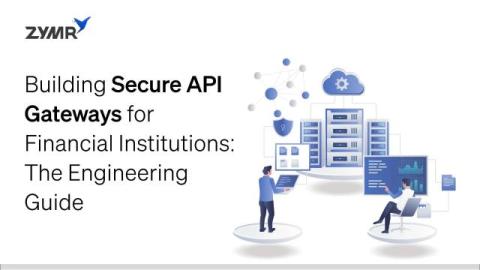
Building Secure API Gateways for Financial Institutions: The Complete Engineering Guide (2026)

APIs now power the core of financial services, from digital banking and payments to partner integrations and AI-driven decision systems. As this dependency grows, the API gateway has evolved beyond routing and traffic management into a critical enforcement layer for security, compliance, and control. Unlike other industries, financial institutions operate under strict regulatory scrutiny while handling highly sensitive data and real-time transactions. This makes API gateways a primary point of risk.

Composable Banking: The New Model for Financial Institutions

For decades, financial institutions have relied on rigid core banking systems. These systems were reliable, yes, but they were never built for today’s digital-first, API-driven world. Every new feature meant long development cycles, heavy dependencies, and costly upgrades. Innovation felt slow. Sometimes painfully slow. Now, things are changing. Composable banking is emerging as a new architectural model that allows banks and fintech companies to build systems like assembling blocks.