Systems | Development | Analytics | API | Testing

What is natural language query (NLQ)?

Providing your analytics users the ability to get answers from their data is useful, but only if the solution can guide them to ask the right questions. The rising integration of artificial intelligence (AI) and machine learning (ML) in many business intelligence (BI) solutions has enabled new innovative approaches in combining natural language techniques with self-service analytics, resulting in helpful NLQ tools.

Yellowfin 9.15 Release Highlights: AI-Powered NLQ, Usability Enhancements & More

Yellowfin 9.15 is a significant version release that introduces a major update to our Yellowfin Guided NLQ feature in the form of AI-enabled Natural Language Query (AI NLQ), as well as a host of general product enhancements, fixes and security updates. In this blog, we will cover what AI NLQ brings to your embedded analytics deployment, as well some of the other highlights arriving in the Yellowfin 9.15 version release. For the full technical list of updates, please visit our release notes page.

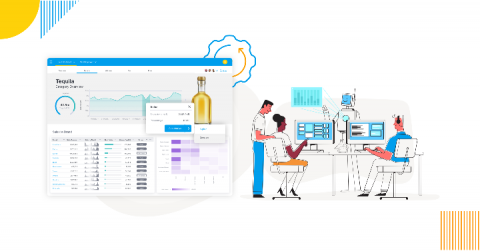
What is AI NLQ? Understanding AI-Powered Natural Language Query

The rise of natural language query (NLQ) technology in modern business intelligence (BI) and analytics platforms is empowering many companies to streamline data exploration and analysis, and democratize access to insights for more people - not just data experts. But like any technology, the ongoing challenge is to help stakeholders and customers to see the value in using it.

What is Automated Business Monitoring? Everything You Should Know

Today, organizations need to know what data they have, what it means, when it changes, and how it delivers value faster than ever before. Modern businesses have a problem, though – a continuously growing mountain of data, made up of many different operational processes and performance metrics, which users must proactively monitor to ensure business goals are met, and insights are deciphered. Embedded dashboards are one way for your users to keep track of key information while using your application.

The Fascinating History of Data Visualization: From Basic Maps to BI

Data visualization is an elementary component of human learning and understanding. It's also a significant capability of business intelligence (BI) and analytics solutions today. So, how did data visualization first come to be? The humble origins and gradual evolution of data visualization tools has led to an interesting timeline.

What is Data Visualization and its Importance in Business Intelligence?

Like dashboards, data visualization is synonymous with business intelligence, but what does it mean exactly? As a core capability of analytics solutions, it’s important to know its role in the BI process today, to understand just how much it can transform your reporting. Data visualization is the practice of representing information graphically to communicate and contextualize data.

What is Embedded Analytics?

What is embedded analytics? What does embedded analytics mean? Embedded analytics is the integration of analytical capabilities and data visualizations into another software application. Also called embedded business intelligence (BI) or embedded BI, this is a modern type of data analytics solution that merges with another software application, rather than acting as its own standalone tool. Traditional analytics solutions, in comparison, require switching to another app.

Top 10 Essential Types of Data Visualization of 2025: From Basic to Advanced

Data visualization helps people comprehend and attain insight into big data. It represents complex data in visually interesting ways that assist in our understanding, and paves the way for a greater link between the provided raw data, and our overall engagement with it. Nowadays, we accumulate data in ever-increasing sizes. We need an intelligent way to understand vast volumes of information. In analytics, we often use different types of data visualization tools to convey complex data.

What is Real Estate Data Analytics? - A Complete Beginner's Guide

Real estate data analytics refers to specific software solutions that help real estate and property management businesses gather operational data from various sources into one user interface, analyze key metrics to gain insights into their markets, such as property trends, demographics, and economic indicators, and make data-led decisions regarding buying, selling, renting, or managing properties.