Systems | Development | Analytics | API | Testing

Top Microservices Examples & Guides - DreamFactory

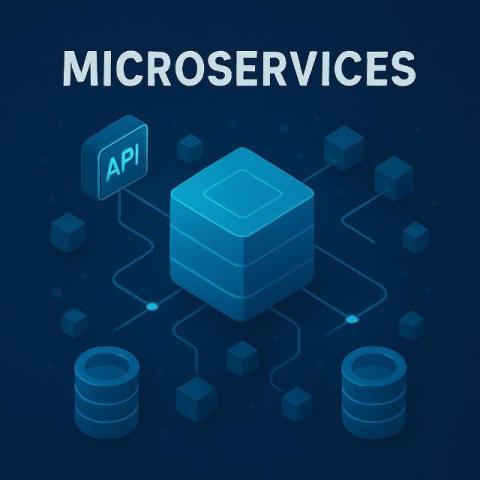
DreamFactory is a secure, self-hosted enterprise data access platform that provides governed API access to any data source, connecting enterprise applications and on-prem LLMs with role-based access and identity passthrough. During the last 10 years, microservices-based applications have benefited global enterprises by providing them with massive scalability, greater agility, more highly available systems, and improved operational efficiency.

Introducing DreamFactory's Apple Push Notification Service

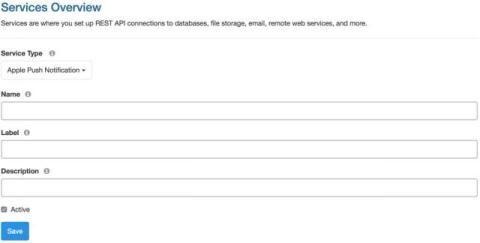
DreamFactory 2.5 now supports Apple Push Notification Service (APNs). This blog post will show you how easy it is configure DreamFactory as your iOS app’s push notification provider. Note that APNs support is a premium feature in DreamFactory's Silver and Gold products, not an open source feature. APNs is a native DreamFactory service that supports role-service-access, live API documentation, script access, etc.

Learning About The Bitnami System Database | Dreamfactory

If you want to spin up a fast API solution, DreamFactory is a great way to do that with a Bitnami install. Within minutes you can have a fully documented and secure REST API to utilize. Just like any program bundle, there are lots of features to learn and interact with. Outside of a Docker Swarm or AWS ELB setup, it is pretty hard to find a way to spin up a DreamFactory instance faster. We are going to dive in a bit further to find out how to interact with the system database.

DreamFactory 7.4.0: MCP Server Integration, Azure AD Group Mapping, and Critical Security Enhancements

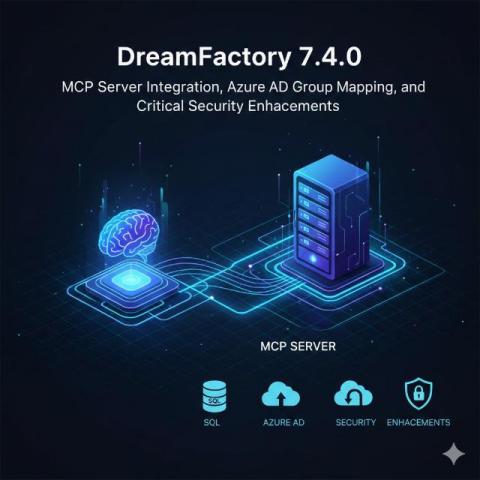
DreamFactory announces the general availability of version 7.4.0, a significant release that positions the platform at the forefront of AI-ready enterprise API infrastructure. This release introduces native Model Context Protocol (MCP) server capabilities, enabling seamless integration between AI applications and enterprise data sources. Additionally, v7.4.0 delivers substantial improvements to Azure AD/Entra ID authentication, critical security patches, and enhanced database connector functionality.

What is an ERP Integration?

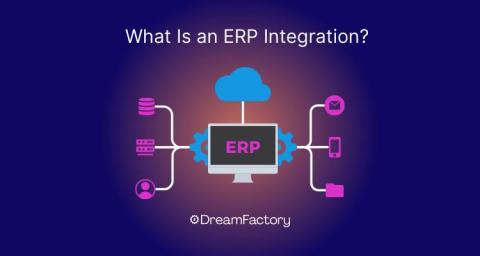
ERP Integration is the method by which a business connects its ERP (Enterprise Resource Planning) software with other applications. The objective is to share data across systems to improve productivity and insights and create a single source of truth. There are several conventional approaches to achieving this, including point-to-point, ESB (Enterprise Service Bus), and iPaaS (Integration Platform as a Service). Here are the key things you need to know about ERP Integration.

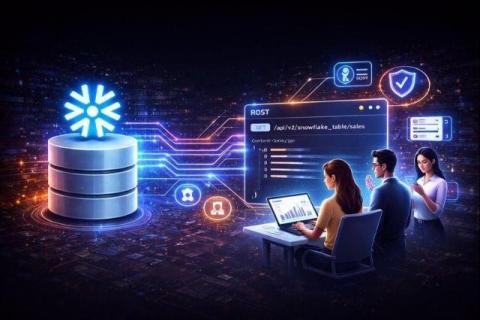
Zero-Code Snowflake APIs: DreamFactory for Non-Developer Teams

Data democratization is a strategic priority, but most organizations struggle to provide Snowflake access to non-technical teams. Business analysts, data scientists, and operations teams need data for dashboards, reports, and applications—yet they lack the programming skills to build API integrations. DreamFactory solves this challenge by enabling zero-code REST API creation from Snowflake, complith point-and-click security configuration, automatic documentation, and no programming required.

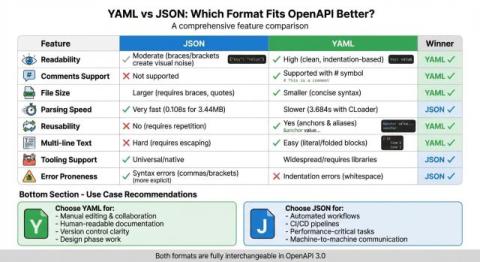
YAML vs JSON: Which Format Fits OpenAPI Better?

YAML is often the better choice for OpenAPI specifications due to its readability and ease of manual editing. It uses indentation instead of braces and brackets, supports inline comments with #, and handles multi-line text more naturally. This makes YAML easier to maintain and understand, especially for teams collaborating on API documentation. However, JSON has its strengths too. Its strict syntax ensures precision, making it ideal for automated workflows and machine-driven processes where speed matters.

REST API Generator for Quick Development

Creating a RESTful API from scratch can be a tedious task, especially when you're juggling tight deadlines or multiple projects. That's where a tool like our REST API Generator comes in handy. It takes the grunt work out of building endpoints by automating the process, letting developers focus on what matters—crafting great applications. Simply provide your database schema or a JSON outline, select a framework, and watch as fully functional CRUD operations are created for you.

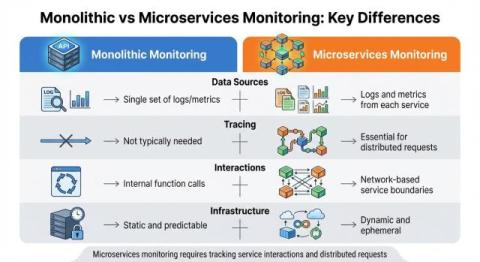
How to Integrate Monitoring Tools with Microservices

Monitoring microservices is challenging but essential for maintaining system performance and reliability. Unlike traditional applications, microservices require tracking individual services, their interactions, and the infrastructure they run on. Here's what you need to know: To succeed, instrument your services early, set clear Service Level Objectives (SLOs), and ensure your tools scale with your architecture.

Scaling REST APIs for High-Volume Databases | DreamFactory

Scaling REST APIs for databases with heavy traffic requires careful planning to ensure fast, reliable performance. Here’s the gist: -Stateless Design: APIs should process requests independently, enabling horizontal scaling and efficient load balancing. -Caching: Use client-side, server-side, and CDN caching to reduce database strain and improve response times. -Optimized Queries: Fine-tune database queries, use indexes, and implement pagination to handle large datasets effectively.