SDLC is one of the age-old terms in the software industry. SDLC stands for Software Development Lifecycle and is a methodology that defines various strategies and steps for building high-quality software most efficiently. SDLC is undoubtedly an integral part of most organizations’ development routines.
In our industry, we often like to use the analogy of building a house when we describe how we build software. In our house-building analogy, this would be the blueprint of the house or the process that we are going to follow to construct a home or software. The analogy continues to be relevant because of all the interdependencies that are at work in terms of understanding the blueprint and translating it into work.
It’s been shown that if you follow a proven collection of practices for developing, designing, testing, implementing, and maintaining your software, you will produce a much higher quality product. Over the past few years, we have seen an increasing number of cases of attacks on the application layer. The Open Web Application Security Project, OWASP, estimates that around one-third of web applications contain security vulnerabilities.
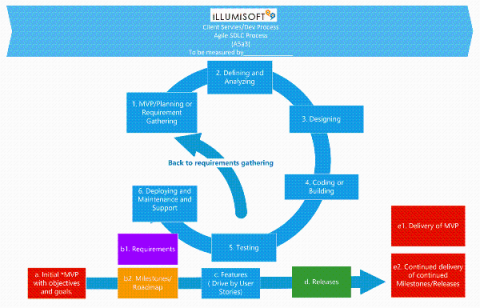
The Software Development Life Cycle (SDLC) refers to a methodology with clearly defined processes for creating high-quality software. in detail, the SDLC methodology focuses on the following phases of software development: This article will explain how SDLC works, dive deeper in each of the phases, and provide you with examples to get a better understanding of each phase.