Systems | Development | Analytics | API | Testing

Stack Your Stats! Composite KPIs Made Easy - Do More with Qlik

A composite KPI is a powerful way to layer multiple chart objects—like KPIs, line charts, and gauges—within a layout container to create a unified, custom visualization. By overlapping these elements, you can combine a bold numeric value (e.g., total sales) with a trend line or mini chart that adds context and visual depth. This technique transforms static KPIs into dynamic, insight-rich visuals. The layout container’s flexibility allows precise positioning and transparency adjustments, helping you design dashboards that are both informative and visually compelling.

The AI Roadmap: 6 Essential Steps to AI Readiness

Everyone is taking part in the AI scramble, some more successfully than others, as we all know. But many enterprise companies are still just getting their feet wet. Here at Qlik we saw an opportunity to try to capture what it is that these successful companies did to get value from AI for their organizations. So, we partnered with IDC to get those answers and discovered that preparation is a major difference maker for success with AI.

Do Data Differently

To do data differently means no tradeoffs. You stop choosing between speed and trust. Between flexibility and control. Between the platform your team wants, and the one your business actually needs. It means putting your data to work - in real time. It means scaling AI with trusted data. And it means freeing yourself from vendor lock-in and runaway costs, so you can focus on outcomes, not infrastructure.

Do Data Differently from Anywhere: Your Guide to the Qlik Connect Online Experience

At Qlik, we’ve always done things a little differently. Maybe it’s our Swedish heritage. Maybe it’s our relentless curiosity. But for us, “different” doesn’t just apply to our platform — with its unmatched breadth and flexibility — or our people, who bring world-class guidance and support to every customer and partner we work with. It’s a mindset that runs through everything we do, including how we approach our biggest event of the year: Qlik Connect.

Maximizing the Power of AI for ISVs: From Dashboards to Predictive Intelligence

Artificial Intelligence (AI) is no longer a futuristic ambition — it’s the strategic reality of today’s most competitive Independent Software Vendors (ISVs). In our recent Seamless Intelligence: Real-World AI Success Stories from Innovative ISVs webinar, I broke down how AI is transforming the ISV landscape, offering a blueprint for how organizations can move beyond dashboards, and into the age of predictive and generative intelligence.

Do More with Qlik - Tasks and Event Based Schedules

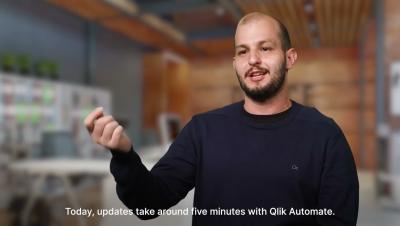
Want to automate your Qlik Cloud with ease? In this quick walkthrough, I show how to create a dependent task chain using scheduled scripts, data flows, and apps—all triggered in sequence only when the previous step succeeds. Whether you’re pulling data, transforming it, or feeding dashboards, this approach keeps your process, reliable, and hands-free. Schedule tasks based on time or events Chain them together based on success/failure.

Apache Iceberg: The Basics

Choosing the right storage format is crucial for optimizing performance, cost, and flexibility when working with cloud data. While file formats like Apache Parquet and Avro have been popular choices for storing data in data lakes, in recent years a new category called table formats has emerged to provide more management capabilities on top of these files. Among these, Apache Iceberg has been gaining significant adoption and momentum. So what exactly is Iceberg and why does it matter? Let’s dive in.

Our Power, Our Planet: Qlik's Commitment to a Sustainable Future

Happy Earth Day 2025! This year's theme, "Our Power, Our Planet," resonates deeply with Qlik's ongoing commitment to environmental stewardship. We believe that creating a sustainable future requires a collective effort, and we're dedicated to prioritizing and embracing renewable energy sources. Our goal is ambitious: to triple the use of clean energy sources by 2030.