As an application development leader, you’ll want to continuously improve your team's processes and outcomes. The cloud marketplace has become a popular way for enterprises to buy software, but with the increasing amount of sensitive data being processed, stored, and transmitted in the cloud, security has become a critical concern for both cloud service providers and their customers.
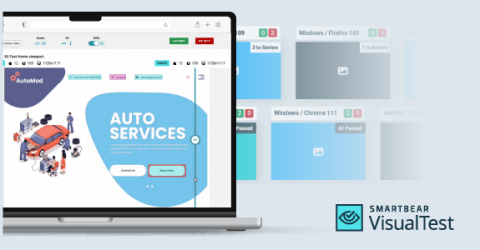
When writing your test automation scripts, it can be especially difficult to write code that adequately identifies visual defects. Typical functional tests do a poor job capturing all visual changes and they also leave you with lengthy and flaky code. And when your code becomes flaky, it becomes unreliable.
More than 90% of developers use APIs regularly, according to Slashdata, with most (69%) using third-party APIs. At the same time, many businesses are recognizing the value of building API ecosystems. For instance, Expedia generates over 90% of its revenue from APIs, enabling third-party websites to book flights, cars, and hotels through its platform. With a growing number of APIs to choose from, discoverability is critical for the success of data-driven businesses.
Testing asynchronous APIs (AsyncAPIs) is becoming increasingly important as more and more APIs adopt asynchronous communication patterns. ReadyAPI now supports testing of AsyncAPIs, making it an even better tool for API testing. In this blog post, we’ll provide step by step guidelines on how to import your AsyncAPIs from SwaggerHub into ReadyAPI and how to test them. Hopefully, this will help you get started with testing your own asynchronous APIs.
Software testing has evolved from an inconvenient ad-hoc process to an integral part of the software development lifecycle. However, while many teams have caught on to the benefits of test automation frameworks, some organizations have yet to scale up and expand their test coverage with cloud-based devices for integration tests.
Modern businesses demand companies to be fast, agile, customer-focused, innovative, collaborative, and digitally-savvy. Phew, that’s a lot! This poses the question of how can companies meet all these demands? The answer? By switching to microservices which build more scalable, agile, resilient, and diverse systems. When a company meets these demands, they stay competitive, grow their market share, and achieve long-term success.