Systems | Development | Analytics | API | Testing

Architectural Visualization with Unreal Engine: Trends, Challenges, and Workflows

Architectural visualization, or archviz, has shifted rapidly from static 2D renders to immersive 3D experiences that have transformed how architects, designers, and developers communicate their vision. Using this technology, a development team can “walk” clients through hyper-realistic replicas of an office headquarters or residential complex well before ground is ever broken.

What You Need to Know About PHP Certifications

In this video, Adam Culp, Manager of Professional Services at Perforce Zend, explains why validating your skills via a PHP certification can be an essential investment for modern developers and organizations. Earning a PHP certification (such as the Zend PHP Certification) can help ensure that you and your team are aligned with industry standards and capable of delivering reliable, high-quality code. The exam covers critical topics through PHP 8.4, including object-oriented programming, security, and error handling.

What is GDPR Compliance? A Quick Guide to Data Privacy and Regulations for Non-Prod

The General Data Protection Regulation (GDPR) is at the core of Europe’s digital privacy legislation. Adopted by the European Parliament in April 2016 and put into effect in May 2018, GDPR is a set of rules designed to give European Union (EU) citizens more control over their data. GDPR-compliant businesses are required to protect the personal data and privacy of EU citizens.

Continuous Integration Explained: How CI Streamlines Development

Software development is complex, but your workflow doesn't have to be. As teams grow and projects scale, it's important to manage the frequent integration of code changes from multiple developers into a shared source code repository. Modern DevOps practices, including Continuous Integration, become essential for maintaining speed without sacrificing quality. In this blog, we explain what is continuous integration (CI), how continuous integration works, and how to successfully implement it.

How to Use Ephemeral Data for Agile, Cost-Effective CI/CD Pipelines | Full Webinar

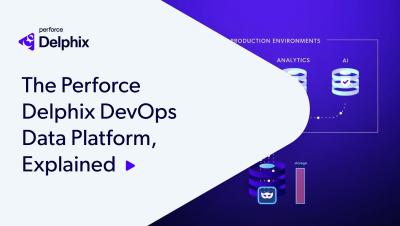
Overburdened clouds rack up notable costs — in terms of storage, productivity, and finances. It’s time to make a change. This webinar makes it clear: You don’t have to struggle with your cloud storage and issues any longer. Ephemeral data will help free up space in your cloud, make data more accessible, and save you money. Our demo highlights the Perforce Delphix DevOps Data Platform for Kubernetes and its impact in numbers.

3 Reasons Why Your Business Should Reevaluate Data Governance Procedures

As businesses continue to amass vast amounts of data, the need for robust data governance procedures has become more critical than ever. Examining data governance procedures has long been a crucial practice for businesses that collect data because it ensures that collected data is managed, stored, and utilized in a secure, compliant, and efficient manner. It also enhances data quality, risk mitigation, and better decision-making.

PHP Support for Enterprise Applications

Building secure and observable systems is essential, but what happens when issues arise in your enterprise applications? In this clip from “How to Build a PHP Security Roadmap,” Zend Principal Product Manager Matthew Weier O’Phinney explores strategies and PHP support options for identifying and resolving issues in your enterprise PHP applications.

An Enterprise Guide to PCI DSS Compliance Requirements

If your company handles customer payment information, it’s critical for you to understand PCI DSS compliance requirements. A single breach can result in substantial financial penalties and damage your brand's reputation. In my experience working with enterprise customers, I’ve seen firsthand how non-production environments often become a blind spot for compliance efforts.

5 Key Practices to Manage and Maintain Perforce IPLM

Your Perforce IP Lifecycle Management (IPLM) software is a critical asset that benefits from regular management and maintenance. However, managing IPLM can be complex. The scale of deployments can range from a single server to twenty or thirty instances across the globe. An IPLM environment includes a variety of services, such as PI Server, PI Web, PI Cache, Neo4j, Redis, and MongoDB, each with its own set of configurations and log files.