Systems | Development | Analytics | API | Testing

The 10 Best Data Synchronization Tools in 2026

When was the last time your analytics team waited hours—or even days—for updated data? Or your development environment fell so far behind production that testing became guesswork rather than validation? For IT leaders managing distributed systems, the challenge isn’t moving data once. It’s keeping every environment that depends on that data perfectly aligned as schemas evolve, records multiply, and business requirements shift. Manual scripts break. Full refreshes waste resources.

AI-Powered Integration: Turning Complex Workflows into Simple Commands

Data integration has long been one of the most time-intensive parts of enterprise IT. Connecting multiple systems, reconciling formats, and ensuring data reaches its destination reliably often requires weeks of preparation before the first record moves. But with AI-powered integration, that timeline compresses dramatically. What once took weeks can now be designed, validated, and delivered in minutes.

Data Relationship Discovery: The Key to Better Data Modeling

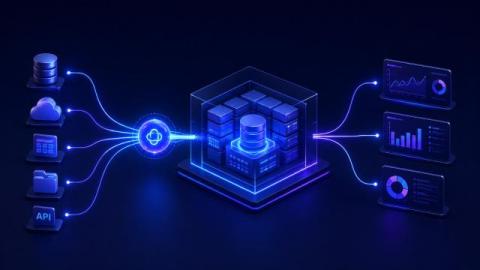
Enterprise data storage comprises a patchwork of systems: ERP databases, CRM platforms, spreadsheets, cloud apps, and legacy files. These systems do their own jobs well individually, but collectively they create a fragmented landscape. For anyone tasked with building a migration, an integration, or even a simple report, the first challenge is not moving data. It’s understanding what exists and how it all connects.

AI-Powered Data Modeling: From Concept to Production Warehouse in Days

Key Takeaways Enterprise data teams spend millions on warehouse infrastructure while still designing schemas the way they did in 1995—one entity at a time, one relationship at a time, hoping the model survives its first encounter with production data. The irony runs deep: organizations racing to deploy real-time analytics are bottlenecked by modeling processes that take six to eight weeks before a single pipeline runs. Data warehouses succeed or fail on design.

Autonomous Data Warehouse: AI-Driven Design to Delivery

Enterprise data warehouses face a fundamental challenge. For decades, organizations treated them as static projects—build once, maintain constantly, rebuild when requirements change. As data volumes surge and business needs accelerate, this approach creates bottlenecks. Organizations need autonomous data warehouses: self-sustaining ecosystems that adapt and evolve with minimal manual intervention.