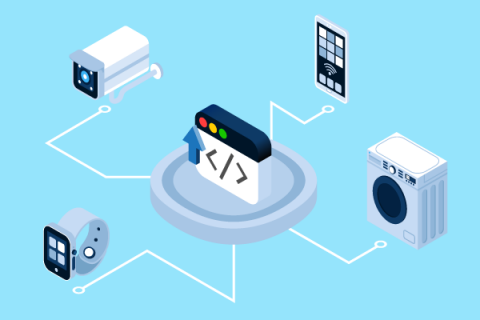
Speed and quality can go hand in hand, but sometimes you need a bit of tinkering to get both. Try this Bitrise setup to split tests up, run them in parallel and speed up your Android builds.
It feels like only yesterday that we announced Lenses 3.1. The release was focused around helping developers be more productive when developing real-time data applications. Since then, our customers are onboarding new applications and new users onto their data platform at a faster rate than ever. And with more apps and users come stricter and tougher requirements for compliance and governance.
Today, May 21st, we received an interesting email from a journalist writing for Fast Company. Apparently, a privacy-focused company audited the app Care19, North Dakota’s COVID-19 contact tracking app, and they found that an anonymous tracking ID generated by the app was sent via API to Bugfender along with other identifiers. While the journalist contacted the app developers, he also gave us the opportunity to comment.
Many enterprise data science teams are using Cloudera’s machine learning platform for model exploration and training, including the creation of deep learning models using Tensorflow, PyTorch, and more. However, training a deep learning model is often a time-consuming process, thus GPU and distributed model training approaches are employed to accelerate the training speed.
Here at Lenses.io, we’re focused on making data technologies such as Apache Kafka and Kubernetes as accessible to every organization as possible. It’s part of our DataOps vision and company DNA. Lenses is built by developers, for developers. We understand the headaches they live with and the challenges they face seemingly have to learn a new data technology every few months. We believe that’s just not the right model.