Systems | Development | Analytics | API | Testing

Is Claude Code Spying for OpenAI? #speedscale #anthropic #openai #claude #codingagent

While analyzing network traffic, we found huge amounts of telemetry including chat snippets, being sent to statsig.anthropic.com. The irony? Statsig was recently acquired by OpenAI. In this video, we use proxymock to intercept the traffic and show you exactly what’s being sent from your terminal to Anthropic (and technically, OpenAI’s infrastructure).
Peeking Under the Hood of Claude Code

Everyone is talking about Claude Code, but few people understand the machinery running in the background. Today, we’re opening up the terminal to see how Anthropic’s coding agent manages state, runs tests, and fixes its own bugs. From the Model Context Protocol (MCP) to its unique React-based terminal UI, find out what makes Claude Code the most "senior" feeling AI assistant on the market.

Penetration Testing Services To Strengthen Your Security And Reliability

Modern technology (APIs, Microservices, Cloud Platforms, Mobile Apps) is rapidly changing and becoming a target for attackers as they continue to advance and become more sophisticated. Organizations use penetration testing (a form of ethical hacking) to identify weaknesses in their systems and address them before they can be taken advantage of.

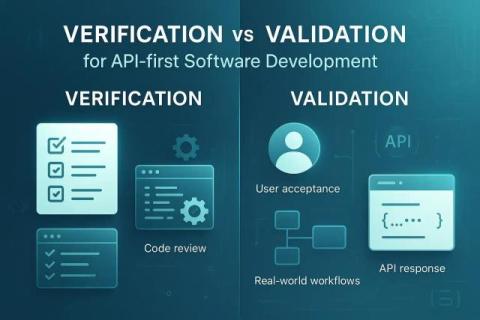
Verification Vs Validation For API-First Software Development

It’s easy to create APIs very quickly. However, creating APIs that are reliable when used in challenging distributed systems is much harder. Many development teams are moving quickly to ship features to the market, which has led to the verification vs validation distinction becoming the middle ground between a successful launch and an incident that could occur from a production system.

The 2025 Kong Year in Review

Another year is wrapping up, and we’re taking a moment to reflect on what made 2025 a defining year for Kong. With major advances in building the AI connectivity layer and soaring enterprise adoption of agentic systems, this year sparked a hockey-stick surge in demand for the infrastructure that powers intelligent agents. Below is a rundown on the updates, the innovations, and the moments that moved the industry in one year-end recap.

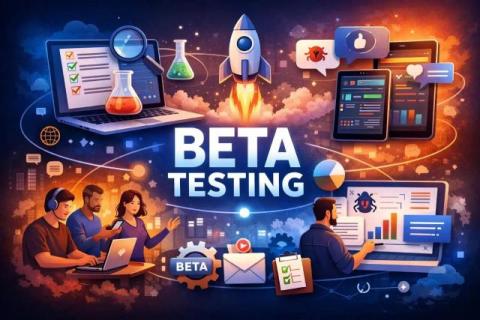
What Is Beta Testing? Process, Types, Benefits, And Best Practices

Today’s software ecosystem consists of various devices, integrations, and user environments. The same application can have different behaviours in each environment, regardless if it had passed through unit, integration and system testing stages. Therefore, beta-testing is necessary. Beta testing is the bridge between an internal QA team and a company publicly launching its application.

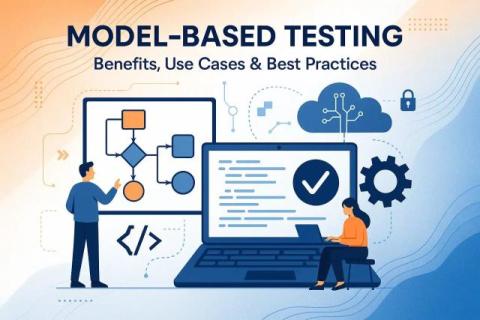
Model Based Testing: Benefits, Use Cases & Best Practices

Every digital experience we rely on – from booking cabs to transferring money — runs on dynamic, interconnected software systems. The speed at which applications are evolving is much faster than the traditional test approach can keep up with. Manual scripting breaks whenever there is a change to the user interface; automation will require regular maintenance to fix the automated scripts; and teams are continually losing confidence in the release stability.

Swagger in 2025: Accelerating the Journey to AI-Ready API Quality

2025 underscored a simple reality: APIs are now expected to serve both human developers and intelligent systems, and the tools supporting those APIs must evolve just as quickly. Major cloud providers (OpenAI, Google Cloud, Azure, AWS, Hugging Face, Cohere, etc.) now earn significant revenue by exposing their capabilities via APIs, which are then chained by other AI systems to build chatbots, copilots, and autonomous agents.