Systems | Development | Analytics | API | Testing

Workshop Automations 101: Introduction to API Platform-as-a-Service Concepts and Delivery Methods

Discover the fundamentals of delivering API management as a platform service with Kong Konnect. In this introductory workshop, we’ll explore essential concepts and methodologies that Platform Providers use to provide scalable, self-service API management capabilities to Platform Consumers.

SDK Vs API: Simple Guide For Developers

APIs (Application Programming Interfaces) and SDKs (Software Development Kits) are vital components of modern software development. APIs enable applications to communicate and exchange data, while SDKs typically provide a comprehensive toolchain, libraries, and documentation to build features as robust as possible, or even an entire application.

Shift Left on Performance Testing - Without Killing Developer Velocity

Traditional performance testing often comes late in the delivery cycle, typically just before release. By then, performance issues are usually quite expensive to fix, can delay deployments, and frustrate development velocity. A Shift Left testing approach addresses this by integrating performance testing early in the development cycle so issues surface while they’re still easy and cheap to fix.

What's the Difference Between Zephyr and Xray?

When choosing the best test management solution for your team, there are a lot of options and decisions to make. What are your current testing needs, and what will you need in the future? Do you want a standalone solution, or something native to Jira? When you’re comparing capabilities, it can be hard to tell from a tester, admin, or consultant’s perspective what the day-to-day usability and experience will be like with each tool.

Is MindsDB Safe for Enterprise Use? Security Risks and Alternatives

MindsDB has gained attention for its promise to act as a “SQL server for AI”, enabling users to write natural language prompts that convert into executable database queries. While this may appeal to data scientists and AI teams, enterprise CISOs and compliance leaders should proceed with caution. Recent disclosures have revealed critical security vulnerabilities in MindsDB’s platform that raise serious questions about its suitability for sensitive or regulated environments.

Top 7 AI Solutions for API Testing and Monitoring in 2025

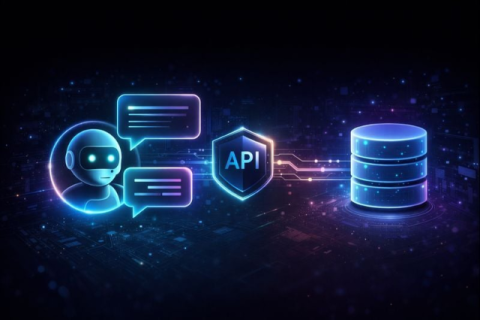
APIs are the nervous system of modern software—and as AI systems like large language models (LLMs) become deeply embedded across products and platforms, the demand for fast, secure, and scalable API infrastructure has never been higher. From early-stage startups to global enterprises, organizations rely on APIs not just to move data, but to power real-time intelligence, automation, and customer experiences.

Best Ai Coding Tools In 2025: Top Assistants For Developers

Ever since AI tools came into the picture, it has transformed a lot of industries. An industry most evolved due to this revolution of AI is the software Development industry. There have been discussions about AI for coding being so good that it holds the potential to replace developers, which might be debating but precisely a false claim.

EP 16: Modernization Unpacked: Perspectives

In this live episode, recorded at WSO2Con Europe 2025, hosts *Sanjiva* and *Asanka* are joined by *Jeremy* *Schneider,* Senior Partner & Co-Head of Global Software & High-Tech Practice at McKinsey & Company, to explore the challenges and opportunities of platformless modernization and the cultural transformation required for organizations to become software-driven. They discuss the importance of leadership in understanding technology, the "build vs. buy" debate in platformless architecture, and how organizations can empower teams with autonomy while maintaining governance.

Zero-Trust for LLMs: Applying Security Principles to AI Systems

Zero-trust security ensures you verify every interaction, whether it’s a user, system, or API, before granting access. For large language models (LLMs), this approach is vital to prevent data breaches and maintain control over sensitive information. Here’s how zero-trust principles apply to LLMs: Identity Verification: Use multi-factor authentication (MFA) for users and secure API keys for systems. Regularly review and update permissions.

AI Guardrails: Ensure Safe, Responsible, Cost-Effective AI Integration

As enterprises increasingly embed AI and Large Language Models (LLMs) into their digital experiences, enforcing robust AI guardrails becomes paramount to safeguard users, protect data, manage operational costs, and comply with regulatory and ethical standards. Think of AI guardrails as essential controls: policy, technical, and operational layers carefully placed around your AI services to detect, prevent, and mitigate any unsafe, abusive, or unintended behaviors.