Release Android Apps to Google Play Store
In this video, you will learn how to prepare the app for submission, link your Google Play Developer account, set up API access, and upload the service account JSON key to Bitrise.


As software developers, we constantly face new challenges in an ever-changing ecosystem. However, we must always remember the importance of addressing performance and security concerns, which remain at the top of our priority list. To ensure that our applications based on Node.js can meet our performance and scalability needs without compromising security or incurring costly infrastructure changes, we must be aware of the importance of network optimization in Node.js.
IP geofencing should be a central part of your IP strategy. Why? Because your IP portfolio is probably leaking. And IP leakage can cost millions of dollars in lost revenue and market setbacks — not to mention export violation fines. When it comes to IP security, you need a three-pronged approach: This blog will focus on the first pillar listed above: IP geofencing. Talk to a GEOFENCING Expert.
Are you looking to streamline your machine learning projects from start to finish? Look no further than MLflow! In this blog, we'll discuss how to use MLflow to manage the entire lifecycle of your ML project – from creating and training models to comparing results and deploying them.
In today’s digital landscape, creating visually appealing and engaging content has become crucial for individuals, businesses, and organizations. Visme has emerged as a leading platform for creating stunning visual content, offering a wide range of features and design options. However, it’s always beneficial to explore other alternatives to find the perfect fit for your specific needs and preferences.
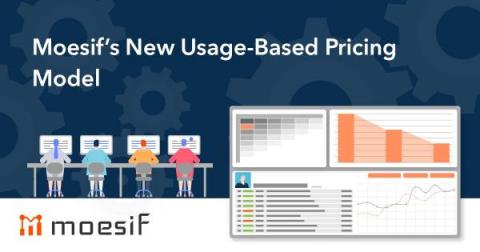
This month at Moesif, we released a new usage-based pricing model for our platform. With these changes, we have brought in a new pricing scheme that is better aligned with customer value and requirements. In this article, we will walk through the history of pricing at Moesif and how we designed our latest pricing update, which is our third iteration.
No go-to-market strategy is complete without having a way to generate revenue from your product. APIs are no different. Indeed, in today’s flourishing API economy, you have a great opportunity to unlock revenue and really make your API work for you. All you need is a sound strategy to commercialize your API product and the right tools to support your monetary goals.
The decisions you make around software for billing in small business operations can have major repercussions in terms of how you can track billable services and raise invoices. The right invoicing software for your API business can even help you get paid on time.