You wanted to learn how to work with Multiple Calendars. Here's how.
Do you need specific answers for points in time when working with multiple calendars / dates? Watch this video to learn more.


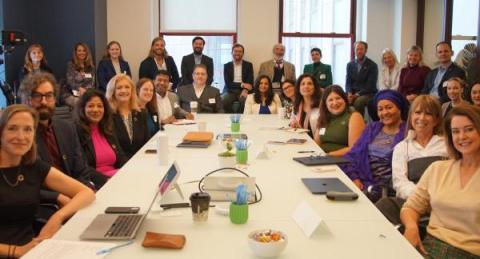
Every September, world leaders, business executives, investors, NGOs, and global citizens descend upon New York City to learn and discuss progress towards building a sustainable future for all. Although there was much excitement and energy surrounding the UN General Assembly and Climate Week this year, there was very sobering news that more must be done if we expect to achieve the goals set out by the UN 17 Sustainable Development Goals(SDGs) and Paris Climate Accords.
Have you heard the phrase “AI won't replace humans - but humans with AI will replace humans without AI”? I personally love this quote because it perfectly encapsulates the nature of the anticipated workforce shift from the rise of generative AI. As I wrote back in 2017, the power of AI is not about machines supplanting human abilities, but rather about a symbiotic relationship between humans and AI. I think the Star Trek analogy I used then is standing the test of time…
Although it might seem a little early, I was just thinking: what will 2023 be remembered for? For many it will be the year that Beyonce and Taylor Swift took to stages around the world and pushed the boundaries of live music (I’m a confirmed Swiftie if you didn’t know). It is also the year of AI. When I speak with customers, they all talk about how they are steering towards AI adoption.