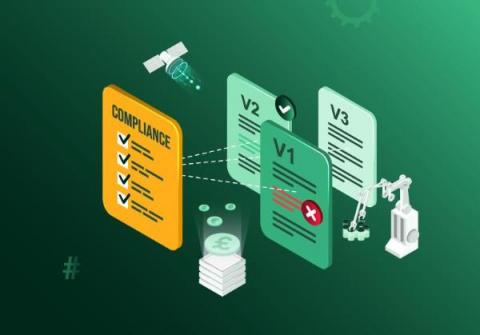
Managing and testing larger-scale software projects can be complex and challenging. Effective test planning and management play a crucial role in ensuring the success of these projects. This article will explore essential test management strategies and how to leverage Xray Enterprise's Test Case Designer to achieve superior test coverage and efficiency.
The company is a global leader in toll-based mobility solutions and services, providing innovative and reliable solutions for customers around the world. As part of its commitment to delivering high-quality products and services, the company recognized the need to modernize its testing process and improve overall efficiency.
Delivering high-quality software solutions quickly and effectively is crucial for competitiveness in today's fast-paced digital environment. By removing barriers between the development and operations teams, DevOps has changed the software development process and allowed businesses to deploy products more quickly and collaborate more effectively. However, this speed increase may also provide new difficulties in preserving software quality.
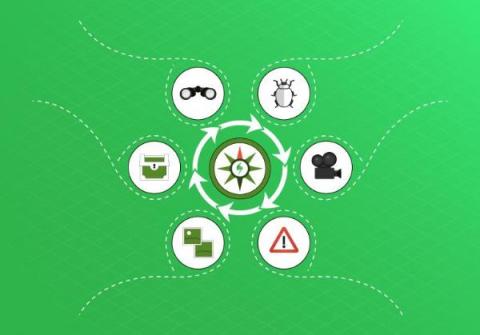
Sometimes, you find yourself searching for bugs without any specific purpose or direction. This occurs when your QA team lacks the proper mindset and strategy for exploratory testing. Without clear guidance or goals, your test coverage will be inadequate, and you'll have less productive use of your time. In his book Exploratory Software Testing: Tips, Tricks, Tours, and Techniques to Guide Test Design, James Whittaker provides a practical solution to help you level up your exploratory testing.
Exploratory testing has become a more common topic amongst testers. Exploratory testing provides valuable quality related insights that otherwise would escape unnoticed. Unfortunately there’s still a long way to go until everyone can unlock the full potential exploratory testing. Not everyone has heard about it, not everyone understands exactly what it is, not everyone has taken the most out of it.
According to ISTQB, test design is “the process of transforming general test objectives into tangible test conditions and test cases.” Effective test design is a crucial part of SDLC as it helps quickly identify defects in product implementation or gaps in requirements.
Exploratory testing is a testing approach that includes simultaneously learning from/about the system, documenting the steps, executing the test, and reflecting on the results. Since exploratory testing is unstructured and not constrained to a specified collection of test cases, it differs from scripted testing. Instead, using their expertise, creativity, and intuition, testers execute tests that may reveal defects or other issues in the product.
Research has shown that 35% of companies find manual software testing to be the most time-consuming part of the software development life cycle. Because manual testing is so time consuming, test automation has been growing as a solid way to improve ROI. From reduced tester fatigue and greater productivity to a better product and faster time to market – building a robust test automation framework can add numerous benefits to your team.
Exploratory testing is a dynamic and creative approach to software testing that emphasizes your freedom and responsibility to adapt to changing testing conditions. However, without a clear direction or purpose, getting lost in testing without achieving meaningful results can be easy. This is where test charters come in. In this article, we will explore what test charters are and how to use them to optimize your exploratory testing process.