Systems | Development | Analytics | API | Testing

How to Fix a React Native Production Bug Without Waiting for App Store Review

There is a specific kind of dread that comes with finding a critical bug in a production React Native app. The fix is usually straightforward: a broken API call, a logic error, a UI state that did not account for an edge case. You can see exactly what went wrong and exactly how to correct it. The code change might take an hour. What takes days is everything that comes after. App Store review. Google Play review. Waiting. Watching your crash reports climb.
Sponsored Post

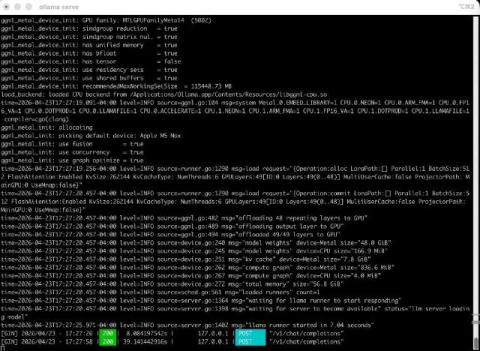
Run Local LLMs on Mac to Cut Claude Costs

Part of the motivation for this post is how cloud API economics are shifting: Anthropic is moving large enterprise customers toward per-token, usage-based billing (unbundled from flat seat fees), which makes "always call the API" a moving cost line for teams at scale. A hybrid or local layer is one way to keep spend bounded while you still use premium models where they matter.

Snowflake Semantic Views + ThoughtSpot: One AI Context Layer

Your data engineers have spent months getting your metric definitions right: revenue recognized the way finance approved it, churn calculated the way your exec team aligned on it, and pipeline logic that your rev ops team actually agrees on. And then a new tool arrives, and someone has to do it all again.

Playwright Test Agents & MCP: A 2026 Architecture Guide

Playwright test agents are LLM-driven execution loops that wrap Playwright's browser automation in a goal-oriented reasoning layer. Instead of executing pre-written scripts, an agent receives high-level intent ("complete checkout and verify the success modal"), inspects the page's accessibility tree, and chooses which Playwright tool to invoke next. The Model Context Protocol (MCP) is the standardized bridge that exposes Playwright capabilities to the LLM and returns structured page context back.

How Wix's AI Agents Stay Ahead of the Rest | Life Is But A Stream

Real-time data and AI are converging—and companies that have already solved the data pipeline problem are pulling ahead fast. Wix processes over 40 billion interactions every day across hundreds of millions of websites, and the architecture behind that scale didn't happen by accident. It was built, lane by lane, around the principle that your upstream data must be at least as fast as your fastest use case.

Monitoring, Audit Trails, and Compliance with ClearML

The previous posts in this series built the security model layer by layer: identity, configuration governance, service account automation, compute policies, and production model serving. This final post covers what holds all of it together: the monitoring and audit layer that records every action, every API call, and every resource event and makes the full picture visible to the people responsible for it. It accompanies our Enterprise AI Infrastructure Security YouTube series.