Systems | Development | Analytics | API | Testing

Modern Software Development For Today's Systems & Applications


Get Started With MCP Proxies on WSO2 Platform AI Gateway
Deploy an MCP server through WSO2 Platform AI Gateway in a few commands — running entirely on your own infrastructure. This quickstart shows you how to set up MCP proxies on WSO2 Platform AI Gateway as a standalone component via Docker. You'll start a sample MCP server, deploy it as an MCP proxy configuration to the gateway, and verify it using the official Model Context Protocol Inspector. What you'll cover.

Top 6 API Performance Testing Challenges (and How to Solve Them Effectively in 2026)
API performance testing challenges are a frequent topic of discussion, but not every obstacle deserves equal weight. Teams can easily become distracted by minor annoyances – such as a cumbersome UI or rare edge cases – while missing the core blockers that truly affect reliability and delivery speed. Misplaced focus leads to wasted effort and leaves systems open to serious reliability issues.

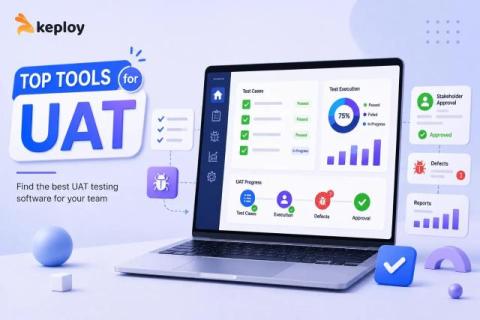
12 Best UAT Testing Software Tools In 2026
Passing automated tests doesn’t always mean your software is ready for users. Many issues only surface when business stakeholders interact with the product in real-world scenarios and validate it against actual requirements. That’s where UAT testing software comes in. It helps teams manage test cases, collaborate with stakeholders, track defects, and streamline the final approval process before release.
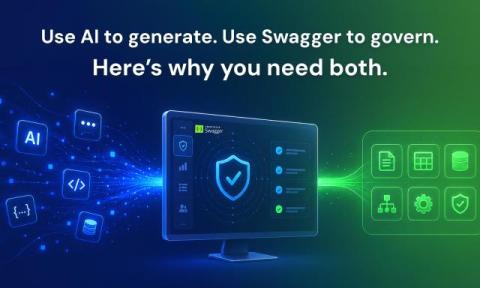
AI Coding Tools and API Governance: Here's Why You Need Both.
GitHub Copilot, Claude, and Cursor have become genuine superpowers for API development. They draft OpenAPI definitions, generate endpoints, propose schema changes, and write test cases — all from inside the IDE, in real time. Teams using these tools are generating API definitions faster than most thought possible even a few years ago. That velocity is real, and it’s reshaping how engineering teams think about their toolchain.
WSO2 Solution for India's DPDP Act Compliance
This video shows how the WSO2 solution helps businesses follow the rules of India's Digital Personal Data Protection (DPDP) Act. You will see how the system handles user consent in a simple way to keep your business compliant with the new regulations.
Get Started With LLM Proxy in WSO2 API Platform AI Gateway
Run your first LLM proxy on WSO2 Platform AI Gateway in minutes — no cloud setup required, just Docker. This quickstart walks you through spinning up the WSO2 Platform AI Gateway as a standalone component on your own infrastructure. You'll add an OpenAI provider configuration (including API key auth and access control rules), deploy an LLM proxy that routes through it, and verify live responses end to end. What you'll set up.

Four signs your automation suite is costing you more than it's saving
An automation suite that’s losing ground rarely makes it obvious. Coverage numbers look reasonable. Tests are running. The CI pipeline is green more often than not. Meanwhile, the team is quietly working around what isn’t working – rerunning tests until they pass, deferring maintenance, or accepting a regression window that’s wider than it should be. Those workarounds can feel normal. They aren’t.
Why your automated UI tests keep breaking
Automated test suites tend to follow the same arc. The suite works well until the application changes and a block of tests fails. Someone fixes them. The application changes again. At some point, the work of keeping tests current starts consuming the time that should go toward coverage decisions, risk assessment, and the testing work that requires human judgment.