Apigee Edge: Developer Portal Demo
Once APIs are exposed and available, you want external developers to be able to find them, get access, and try them out. This is all possible via the Apigee Edge Developer Portal.


APIs have come a long way from the arcane geek-speak of software interfaces popularized by Win32 APIs (still among the most commonly searched API phrases). Today, APIs represent interfaces between businesses and large swaths of internal enterprise services and business units. APIs not only connect software to software but also help to create entire commercial ecosystems, and so have become integral parts of how enterprises conduct business.
Good API design separates APIs that merely expose assets from those that help developers get things done. As I’ve written before, and as we’ll explore in this article, good design includes the style in which web API URLs are constructed.
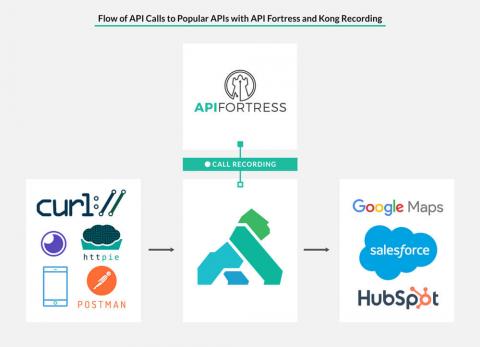
API Fortress is a continuous testing platform for APIs. We’ve been a friend to Kong since the beginning. In this guest blog post, we explain how our company uses Kong to facilitate the process of virtualizing APIs.
Whether in the tech press or analyst reports, it became more common in 2018 to see the words “API” and “security”—or worse, “API” and “breach”—together in the same headline. APIs are not only the connective tissue between applications, systems, and data, but also the mechanisms that allow developers to leverage and reuse these digital assets for new purposes.
Four months ago, we declared that API Management is dead and announced our vision for a service control platform. Today, we’re taking a critical step towards fulfilling that vision with the launch of artificial intelligence and machine learning additions to the Kong Enterprise platform – Kong Brain and Kong Immunity.
Apigee experts published over 50 editorials in 2018 — including dozens here in APIs and Digital Transformation — to help developers, IT architects, and business leaders understand how to maximize the value of APIs and keep pace with constant technological change.