Systems | Development | Analytics | API | Testing

Multi-Database API Integration for AI Systems | DreamFactory

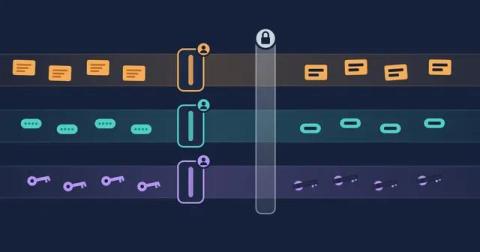
APIs are transforming how AI interacts with enterprise data. Instead of directly connecting AI to databases like MySQL, PostgreSQL, or MongoDB - which can lead to security risks, schema complexities, and high maintenance - APIs act as a secure middle layer. This approach simplifies data access, reduces risks, and ensures seamless integration with multiple databases.

Why SaaS is Dying (and what's next) #speedscale #saas #data #datasecurity #devops #technews

Traditional SaaS is a data trap. It’s time to stop sending your most valuable asset to third parties. Enter BYOC (Bring Your Own Cloud): the future of data sovereignty, where the software comes to you. Visit: speedscale.com.

How to Add Intent and Metadata to OpenAPI in Swagger Studio for AI Agents

Modern APIs aren’t just read by developers anymore; they’re also interpreted by tools and AI agents. In this video, Solutions Architect Joe Joyce walks through how to enrich an OpenAPI definition in Swagger Studio with meaningful metadata such as descriptions, summaries, operation IDs, tags, schemas, and examples. You’ll see step-by-step how these additions help tools and automated agents better understand API intent, purpose, and semantics. This turns your OpenAPI definition into a contract that scales beyond documentation.

The Axios npm Supply Chain Attack: A Complete Technical Analysis of the Maintainer Hijack, Cross-Platform RAT, and Enterprise Impact

On March 31, an attacker hijacked the npm account of Axios’s primary maintainer and published two malicious versions of the most popular HTTP client library in the JavaScript ecosystem. The backdoored packages—axios@1.14.1 and axios@0.30.4—injected a trojanized dependency that delivered cross-platform remote access trojans to macOS, Windows, and Linux machines within seconds of installation.

Five Supply Chain Attacks in Twelve Days: How March 2026 Broke Open-Source Trust and What Comes Next

Between March 19 and March 31, five major open-source projects were compromised in rapid succession: Aqua Security’s Trivy vulnerability scanner, Checkmarx’s AST GitHub Actions, the LiteLLM AI proxy on PyPI, the Telnyx communications library, and Axios—the most downloaded HTTP client in the npm registry. Collectively, these projects serve hundreds of millions of installations across virtually every enterprise software environment on earth.

The quiet crisis in software quality - and what autonomous testing changes

There’s a tension building inside most engineering organizations right now, and not many people are talking about it openly. AI has given development teams an extraordinary gift: the ability to build faster than ever before. Features that once took days can be prototyped in hours. Applications that required large teams can now be scaffolded by a handful of engineers with the right tools. By almost every measure of development velocity, we are living through a remarkable moment.

Tester's guide to digital transformation: Why robust object recognition matters

Digital transformation rarely happens in a clean, technical environment. Most organizations aren’t starting from a blank slate – you’re operating across a mix of legacy desktop applications, internal web systems, custom-built interfaces, and business-critical workflows that must remain stable while modernization continues around them. The central challenge is whether that automation can remain reliable as underlying technologies evolve.

Designing MCP Servers for Observability

Observability is the key to understanding and improving MCP servers. These servers connect AI agents to tools, but without visibility, issues like slow responses, errors, or security risks can go undetected. Observability helps track how agents interact with tools, pinpoint failures, and optimize performance.