Systems | Development | Analytics | API | Testing

Observe Opaque Services With OpenTelemetry eBPF + proxymock

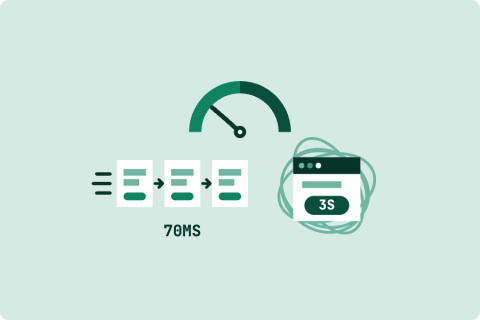
Every SRE team operates services it cannot see into: a vendor binary, an inherited legacy deployment, a container whose owning team dissolved two reorgs ago. The routes are undocumented, the dependencies are unknown, and when a request takes 130 milliseconds nobody can say whether that time is application work or a wait across a network boundary.

Best GDPR Data Mapping Tools (2026): Requirements + Top Picks

GDPR data mapping has evolved from a one-time documentation exercise into continuous operational reality. With €7.1 billion in cumulative fines and regulators increasingly scrutinizing actual data practices versus paper compliance, organizations need tools that provide genuine visibility into where personal data lives, how it flows, and who processes it. The critical gap in most "GDPR compliance software" is that they help you document compliance without actually scanning your data infrastructure.

Cloud-Based vs On-Premise Website Monitoring: Which Approach Wins in 2026?

Website monitoring often feels like choosing between casting a net or wielding a spear. Cloud-based monitoring is your fishing net: you deploy it broadly, covering vast swaths of digital water, capturing issues wherever they occur. It’s automated, relentless, and covers every corner of your online presence, from global uptime to minute performance blips. On the other hand, on-premise monitoring is the spear – deliberate, targeted, and controlled.

Why performance validation is an infrastructure issue, too

At Datadog DASH in the spring, the Tricentis NeoLoad team met folks in all types of roles – developers, test engineers, CoE leads, and SREs – and one recurring theme we found was that SREs often didn’t know much about how performance validation happens at their companies. That’s a fair division of labor. Seemingly, the performance team’s work would be related but not mission-critical to the infrastructure team’s. But that’s not entirely true.

Saugata Saha on Data, AI, and What's Next for Qlik

Qlik’s new CEO discusses why he joined the company, the opportunity he sees at the intersection of data and AI, and what customers and partners can expect from his leadership. Qlik CEO Saugata Saha recently sat down with Jessica Dubois, Senior Director of Global Tech Partners, for his first external conversation since joining the company.

Owning the Agentic SDLC: How NodeSource Reclaimed Control of AI Development

TL;DR: When AI-assisted development moved from autocomplete to agentic workflows, the bottleneck for our engineering velocity stopped being the model and started being the vendor. Owning our own orchestration layer, running the same upstream agent stack across multiple developer surfaces, wrapping every change in a version-controlled spec, and treating the agent calls themselves as first-class telemetry is what made spec-driven development practical for us at NodeSource.

SQL-Shaped Intent: The Engineering Behind AgentQL

Our CEO recently wrote reaffirming an architectural decision ThoughtSpot made when LLMs first emerged: we do not use LLMs to directly generate SQL. My team has spent the better part of a year building AgentQL: a capability that doubles down on our decision. So let me explain what we actually built, why it doesn't just honor that architectural decision but depends on it, and the engineering choices underneath.

Top Static Site Generators for 2025

Static site generators have never been more relevant. AI search tools favor fast, pre-rendered content. Hosting costs are near zero. Build tooling has matured to the point where shipping a production-ready static site takes hours, not weeks. But while the benefits of SSGs are clear, choosing the right SSG for your business can be much more tricky. There are lots of competing options, all with their own pros and cons.

JavaScript Debugging: the Complete Guide

An effective JavaScript debugging process is vital for any web developer. Over 95% of the web is built with JavaScript code, but the language carries its own distinct challenges due to its unique runtime model. This guide will help you master these challenges and become truly fluent in the Internet’s first language. You’ll learn about: You’ll leave with a process that works in any case, no matter how edgy.