By combining traffic replay capabilities from Speedscale with observability from Datadog, SRE Teams can deploy with confidence. It makes sense to centralize your monitoring data into as few silos as possible. With this integration, Speedscale will push the results of various traffic replay conditions into Datadog so it can be combined with the other observability data. Being able to preview application performance by simulating production conditions allows better release decisions. Moreover, a baseline to compare production metrics can provide even earlier signals on degradation and scale problems. Speedscale joined the Datadog Marketplace so customers can shift-left the discovery of performance issues.
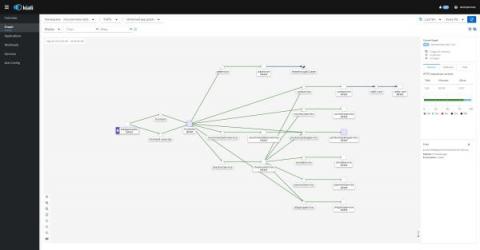
API Observability isn't exactly new, however it's popularity has seen rapid growth in the past few years in terms of popularity. API Observability using open source is different from regular API monitoring, as it allows you to get deeper and extract more valuable insights. Although it takes a bit more effort to set up, once you've got an observability infrastructure running it can be immensely helpful not only in catching errors and making debugging easier, but also in finding areas that can be optimized.
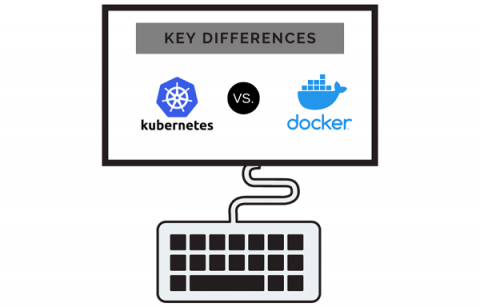
It's impossible to learn about containerization without hearing about Docker and Kubernetes. These two tools together dominate the world of containers, both being the de-facto standard in what they each do. When you're first getting started learning about containers, it can be quite a challenge to figure out what the differences are between these two tools.
In this article, you will learn about some of the tools to test microservices running in a Kubernetes cluster. In particular, we will compare the Speedscale CLI tool with other tools and the main benefits of using Speedscale CLI. In the last few years, software companies have been shifting from building monolith applications to utilizing smaller microservices. In a microservices architecture, you operate with decentralized applications. This means that there's a separation in which each service is responsible for a specific component of your application.
In this blog post we use podtato-head to demonstrate how to load test kubernetes microservices and how Speedscale can help understand the relationships between them. No, that's not a typo, podtato-head is an example microservices app from the CNCF Technical Advisory Group for Application Delivery, along with instructions on how to deploy it in numerous different ways. There are more than 10 delivery examples, you will surely learn something by going through the project. We liked it so much we forked the repo to contribute our improvements.