Over the past 18 months, organizations awoke to the need for digital innovation and transformation as an existential issue. Business leaders recognized that software is central to digital innovation. As the need to quickly create more apps grew, demands on IT skyrocketed. So did the IT application development backlog. Technical debt is a part of software development.
Many agencies that handle mission-critical functions still rely on outdated and legacy software applications that have evolved into complex and costly solutions over time. These legacy systems sit at the heart of daily business operations—and have a negative impact on efficiencies, stakeholder satisfaction, and overall mission outcomes. While most stakeholders agree that modernization is needed, they also know it’s a complicated undertaking.
A year of virtual meetings, homeschooling, and social distancing has taken a toll on all of us. According to a 2021 article from the Kaiser Family Foundation, around 40% of Americans have reported symptoms of depression and anxiety during the COVID-19 pandemic. Mental health providers worldwide are struggling to meet increased patient demand while navigating increased telehealth needs.
In the previous episode of Digital Masters, EY’s Gurdeep Batra gave us the inside scoop on how hyperautomation is transforming the $89 trillion global wealth and asset management industry. But the good times, says Batra, are changing fast as the devastation of the COVID-19 crisis, increasing regulation, and ever-changing customer expectations squeeze revenues and boost operating costs to an all-time high.
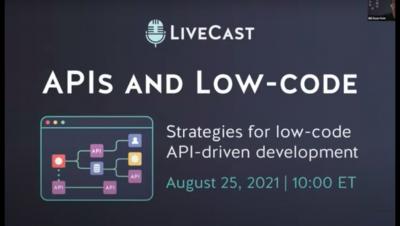
Low-code application development went mainstream in 2020—and it continues to pick up speed. Forrester predicts that by the end of 2021, 75 percent of development shops will use low-code platforms (up from just 44 percent in 2020)[1]. Unfortunately, many IT teams are only scratching the surface of low-code’s power. Why? Because they’re running low-code projects with traditional high-code development practices. That’s like putting a minivan engine in a race car.
When I joined Appian as CMO last December, the world was in the middle of the COVID-19 crisis, the low-code automation market was exploding as companies reacted to massive change, and Forrester was predicting that 75% of application development would be using low-code platforms (up from 44% in 2020) by the end of 2021. In other words, the time was ripe to update the Appian brand for the coming decade of change.