Systems | Development | Analytics | API | Testing

Android memory leak

OutOfMemoryException is a common and frustrating bug, and one of the prime causes of unexpected app shutdown. “Why is this happening now, if the app was working perfectly yesterday?” It’s a question which perplexes both rookie and advanced Android developers the world over. There are a variety of potential causes of OutOfMemory Exceptions, but one of the most common is the memory leak — the allocation of memory in the app which is never released.

Updates from Bugfender Q1, 2020

Welcome to the spring Bugfender newsletter. Despite COVID-19 and thanks to being a remote company, we continue working on Bugfender to bring you new updates and features you can take advantage of. Bugfender is now hosted in twin datacenters. With a combination of High Availability and Master-Replica setups, we’re now able to process logs faster than ever and bring the service back up much faster in the unlikely event of datacenter-wide outages.

Logging in Go: Choosing a System and Using it

Go has built-in features to make it easier for programmers to implement logging. Third parties have also built additional tools to make logging easier. What's the difference between them? Which should you choose? In this article Ayooluwa Isaiah describes both of these and discusses when you'd prefer one over the other.

Fabric Crashlytics Log on Android and iOS

Ever since we started logging with Bugfender back in 2015, we’ve been working towards integration with Firebase, the app development platform created by Google. Firebase is famous for the breadth of its integration libraries and millions of people use the product around the world, drawn to its sleek UI and range of features. Our primary goal has been integration with Firebase Crashlytics Log, which underpins the entire platform.

How to Fix Crashing Apps on an iPhone or Android?

If you’ve got an app that keeps going down for no apparent reason, don’t worry, this quick and easy guide will give you the tools to get it up and running smoothly. To help you better, first select what type of user you are and what problem you have: If you’re not from the tech world yourselves, you probably think us programmers get everything right all the time.

How to Check Website Logs

Have you ever looked at your website logs and realized they don’t make sense to you? Maybe your log levels have been abused, and now every log categorizes as “Error.” Or your logs fail to give clear information on what went wrong, or they reveal sensitive information that hackers may harvest. Fixing these problems is possible! Let’s explore how you can write meaningful log messages and use log levels correctly.

Logit.io Announce New Dashboard Design

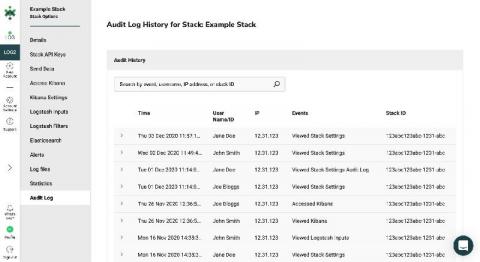
We're happy to announce that we've just launched our newly designed dashboard for our logs & metrics platform, allowing DevOps & security professionals to see their vital metrics quicker than ever before. Our team has been keen to respond to the needs of our users through undertaking dedicated research which informed the creation of this latest update to the platform's design. This new design provides improved real-time feedback to users managing & creating new ELK stacks.

Real-time log aggregation with Apache Flink Part 2

We are continuing our blog series about implementing real-time log aggregation with the help of Flink. In the first part of the series we reviewed why it is important to gather and analyze logs from long-running distributed jobs in real-time. We also looked at a fairly simple solution for storing logs in Kafka using configurable appenders only. As a reminder let’s review our pipeline again