Lots of organizations use Google Analytics and Google Insights to monitor the effectiveness of their digital marketing. While it looks appealing, some of the information it delivers is almost meaningless. It’s so complicated that it doesn’t help you understand what’s happening in your business.
The introduction of AI, automation and data storytelling to the world of analytics has not only had an immediate impact on the end users of analytics but also the people that work in the field. While many analysts may fear they will be replaced by automation and AI, CEO of Yellowfin, Glen Rabie, believes that the role of the data analyst will increase in significance to the business and breadth of skills required.
So much of our decision making is made based on firmly held beliefs and stories we have absorbed in our lifetimes. Generally referred to as type one thinking – this is fast, emotional and generally unconscious. It is a type of thinking that is very useful for making day to day decisions like what to wear, what to have for lunch or how to get to work. However, this type of thinking is inherently flawed and full of bias.
Jumping to conclusions has always been considered a bad way to do business (and most things in life). It implies making a rash, poorly considered decision without the facts and without an understanding of the wider implications associated with that decision. But there’s a new wave of technology that is changing everything.
Recently, I read an article by Jill Dyché which was a wrap-up of TDWI Las Vegas. She talked about speaking to an analytics professional who works for a bank and was building analytics on top of their applications. This comment really struck me because it means the bank’s software vendor is missing out on a great opportunity to create an enormous amount of value for their customer and their own business.
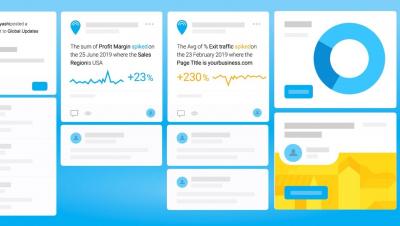
In October 2018, we launched two new products into the Yellowfin Suite: Signals, an automated discovery product that discovers critical changes in your data as they happen, and Stories, a data storytelling product which enables users to provide better context to the numbers and create a common, consistent understanding across the organization. What did we do next? Drink our own champagne, of course.
It dawned on me recently that I don’t actually use the Yellowfin mobile app. Like other BI apps, our app essentially replicated the dashboard experience on my phone. But I don’t like viewing a dashboard on my phone, I’d much prefer to look at it on my desktop because the screen is larger. We realized that there’s no point having an app if no one uses it. So we started to think about how people use their phones and set about reinventing our app.