Systems | Development | Analytics | API | Testing

Modern Software Development For Today's Systems & Applications

Rust Language Support in Perforce Static Analysis Accelerates Secure, AI-Driven, Multi-Language Embedded Development Lifecycles
Single static analysis workflow catches critical errors beyond memory-safety for mixed-language systems, before defects are introduced during the coding phase of the development lifecycle.
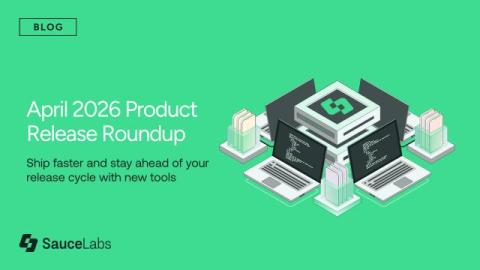
Sauce Labs Product Release Roundup: April 2026
Stay ahead of the release cycle with new automation, visibility, security, accessibility, and other tools.
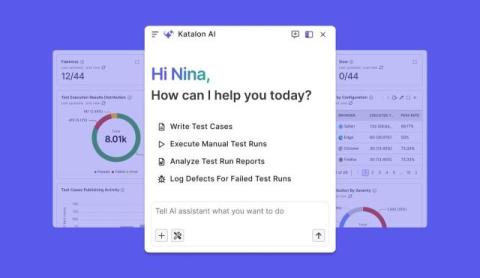
Meet Katalon AI Assistant: Your Extended QA Team
AI-assisted development means more code, faster release cycles, and a testing surface area that keeps expanding, but QA team size hasn't kept pace. The result is a pressure most QA engineers know well: you're not behind because you're slow. You're behind because the math no longer works. Most tools respond by adding AI at the margins: a suggestion feature here, a copilot shortcut there.
Rethinking DevOps Testing: Why Unified Approaches Matter More than Ever?
Embedding software testing at the core of the DevOps lifecycle is imperative in today’s highly competitive software development world. Continuous integration, rapid deployments, and tight feedback loops have become standard practice. Yet many organizations still approach testing with outdated assumptions.
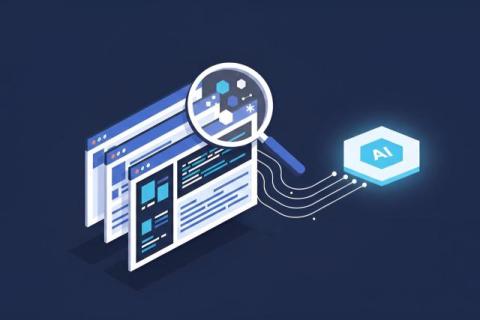
Agentic Testing and QA: Why Chrome DevTools Still Matters for Modern Testers
Chrome DevTools is the built-in browser inspector and debugger that ships with Google Chrome, giving testers ground-truth visibility into DOM state, network traffic, device rendering, and runtime behavior. In the context of Agentic Testing and QA — the emerging pattern where AI agents draft, execute, and summarize tests with reduced human supervision — DevTools remains the verification layer that confirms what an agent actually did inside the browser.

AI is writing your code. Is your regression testing keeping up?
AI is now writing more of your code than ever. But the problem is that your test suite was built to catch errors, not to catch the difference between what an AI agent produced and what your original specification actually required. As AI tools accelerate development velocity, the volume of code moving through pipelines is outpacing traditional quality processes.
In performance testing, AI's confidence can be your team's undoing
Quick summary: AI accelerates code creation, but its inherent confidence pushes structural risks downstream, where they surface as costly, release-blocking problems. As code output scales, performance validation that can’t keep pace becomes a headache and a business risk. Agentic performance testing embeds skepticism and performance awareness into the development process before risk can compound. Software development requires specialized expertise for a reason.