OctoPerf recorded demo
This is a recorded demo of OctoPerf. We start from a fresh recording using firefox, then take time to make it dynamic. After that we configure a load policy and execute a complete load test.


Are you tired of struggling with flaky, slow, and complex browser automation tools? If you’re a developer looking for a robust solution to automate your web testing and interaction needs, Playwright might just be the answer you’ve been searching for. In this blog post, we’ll walk you through the process of getting started with Playwright, from installation to writing your first test script (in TypeScript).
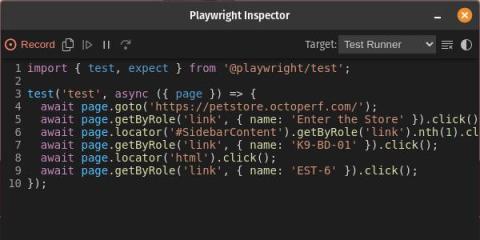
Playwright Test Generator is a powerful tool that simplifies the process of creating and maintaining end-to-end tests for web applications. Whether you’re a developer or a QA engineer, Playwright Test Generator can save you time and effort by generating test scripts that ensure the reliability and functionality of your web applications. In this blog post, we’ll walk you through the process of using Playwright Test Generator to create and manage automated tests effectively.
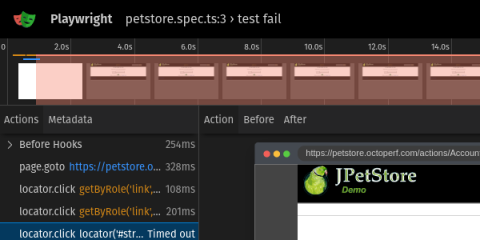
Playwright Trace Viewer is a powerful tool that allows developers and testers to gain deeper insights into the execution of browser automation scripts created with Playwright. It provides a visual representation of script execution, enabling users to diagnose issues, optimize performance, and understand the flow of actions within their automation scripts. In this blog post, we’ll explore how to use Playwright Trace Viewer effectively to enhance your browser automation projects.
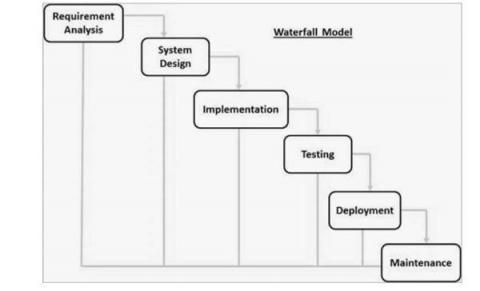
Everywhere you look on social media its DevOps, Agile Methodologies, Continuous Integration, Continuous Delivery. You could be forgiven for believing that most organisations and programmes follow these principles. This is not true. Many companies use a Waterfall model which is also known as a linear-sequential life cycle model. In a waterfall model, each phase must be completed before the next phase can begin and there is no overlapping in the phases.