Systems | Development | Analytics | API | Testing

Modern Software Development For Today's Systems & Applications



The Claude Bill is Too Damn High #speedscale #claude #aiagents #aicoding #devops #llms
Stop overpaying for AI reasoning by trading expensive GPU cycles for efficient, deterministic testing. This video explores how tools like linters and traffic replay can complement Claude, helping you fix bugs more accurately while cutting token usage by up to 50%. Visit: speedscale.com to learn more.

What the Warp Terminal Sends Home
The terminal is a developer’s most trusted tool. It sees your source code, your secrets, the commands you run in production. When a terminal adds AI and cloud features, it’s worth asking what it’s doing on the network.

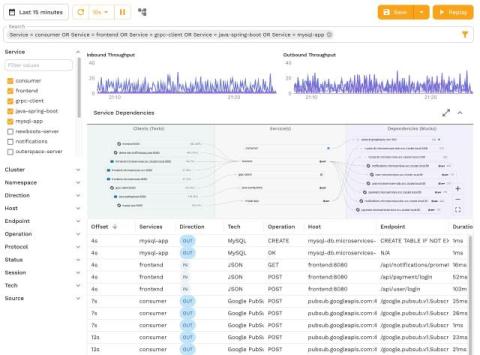
Replace API Synthetics with Traffic Replay
The alert fires at 2 AM. Your observability platform’s synthetic test just failed. Login is broken. So you open your laptop, pull up the dashboard, and stare at a single red dot: the browser test. You know the problem is somewhere in the stack, but not where. Is it the auth service? The token validator? The user profile API? The API gateway timing out? You’re now about to spend the next 45 minutes correlating traces, tailing logs, and manually hitting endpoints until you find it.

Dark Code: The AI-Generated Software Nobody Understands
The biggest risk to your product isn’t AI-generated code that doesn’t work. It’s generated code that seems fine. AI doesn’t optimize for correctness. It creates something passable. Something that passes the smell test. And when everybody in the industry is pushed to move faster and do more with less, you end up shipping software that looks correct. It passed your quick visual check. It passed all the tests. But no one ever fully understood it.
Beyond AI Vibes: Deterministic Foundations for Agentic Coding
Every week there is another model drop, another agent framework, and another workflow tweak you are supposed to evaluate. Meanwhile, the largest companies, the ones operating at the highest scale and leaning hardest on AI, are also the ones making headlines for reliability strain: capacity limits, outages, and services that buckle under load.

The Hidden Cost of AI: 900% Code Churn and How to Fix It
The AI-native stack is currently facing a "Distrust Paradox": while 84% of developers use AI coding tools, trust in the results has plummeted to 29%. Ken demonstrates how to stabilize rapid software delivery by replacing unreliable "AI vibes" with a deterministic testing foundation.
